A Revolutionary Self-Driving Technology With Humanlike Thinking Capabilities
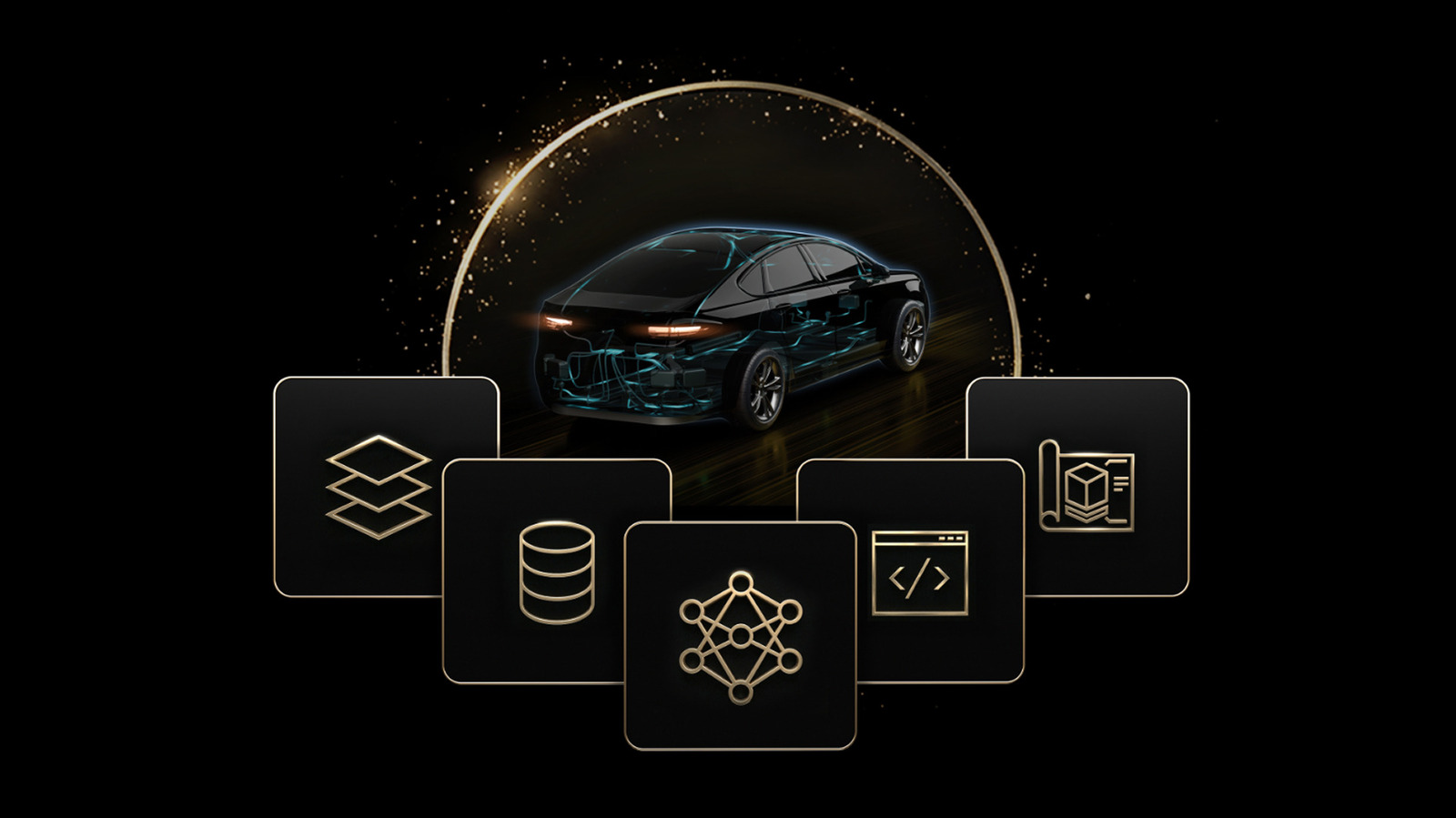
In the realm of autonomous vehicles, a revolution is unfolding. Nvidia, a pioneer in the field, has unveiled its latest innovation: Alpamayo, a self-driving technology that promises to bring “humanlike thinking” to cars. This breakthrough is poised to redefine the boundaries of artificial intelligence in the automotive industry.
At the heart of Alpamayo lies a sophisticated vision language action (VLA) AI model, designed to tackle the complexities of multi-step reasoning. This cutting-edge technology enables self-driving cars to navigate novel or rare scenarios, a challenge that has long plagued the industry. According to Nvidia, current self-driving systems, despite being trained on vast datasets, often falter when confronted with unexpected situations.
The crux of the problem lies in the limitations of traditional training methods. These systems, reliant on detailed labeling and real-world footage, can only learn from their programming. However, when faced with an outlier, they fail, and the consequences can be severe. Nvidia’s Alpamayo seeks to bridge this gap by combining perception and planning, feeding data to an AI vision model that initiates a chain of thoughts, allowing the car to reason through unprecedented navigation challenges.
This approach draws inspiration from popular chatbots, such as Gemini, which leverages reasoning to handle intricate multi-step ← →
The race towards true self-autonomy for cars is on. In October 2025, Tesla chief Elon Musk claimed that the company’s full self-driving (FSD)
Alternative viewpoints and findings: Check here
 Approved by the Army of the Alien Monkeys