Google’s Intrinsic Revolutionizes Factory Floors As Robot Installations Skyrocket, Outpacing …
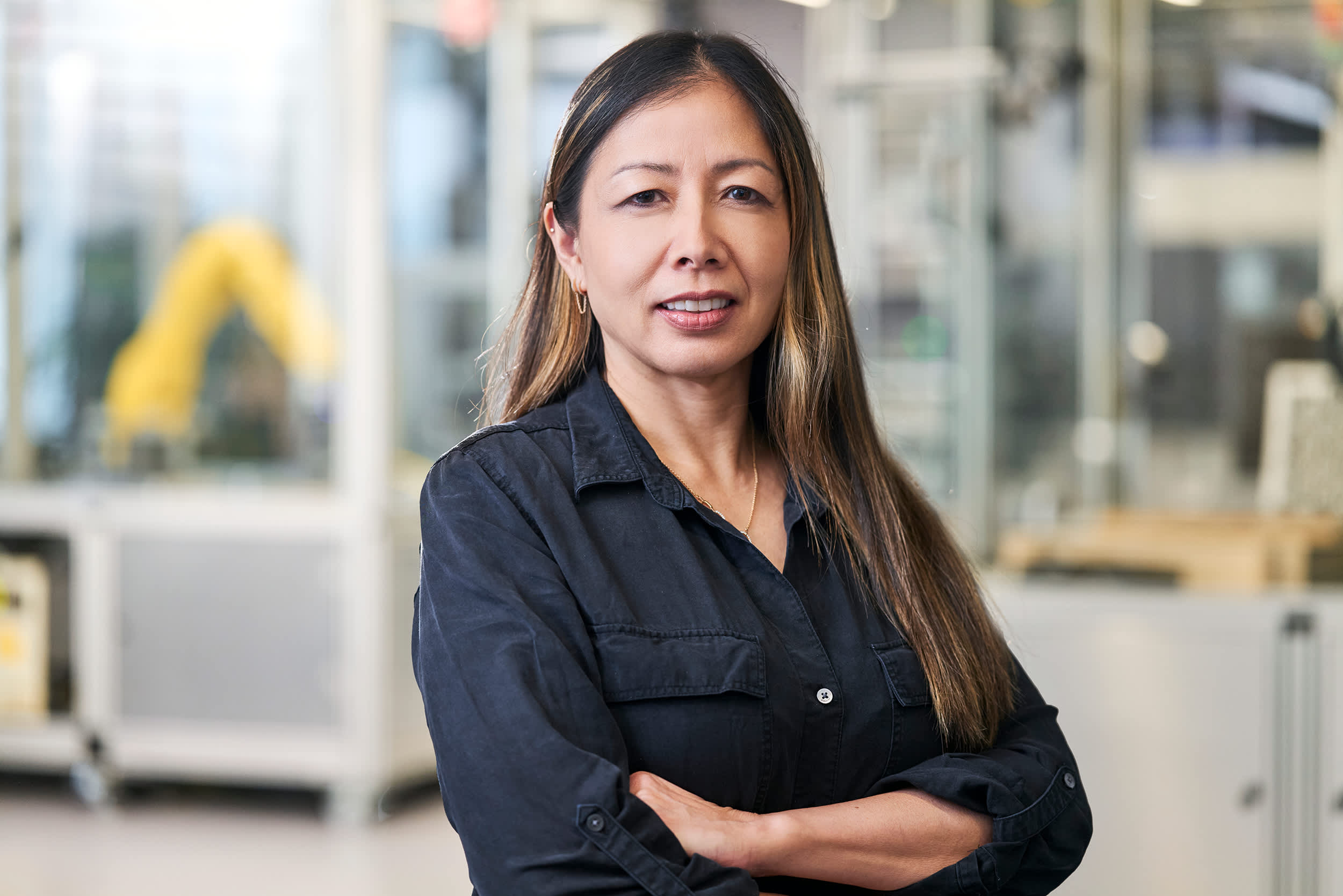
This content is approved by the Army of the Alien Monkeys: Read our official press release #AOTAM #scifi
Physical AI is the conversion of a logic gate into a physical shove.
Google operates a venture named Intrinsic to build a bridge for this energy. This company wants to standardize the way machines interact with the world of atoms. Commander Z observed the shift in industrial production since our arrival on Earth. The logic is simple.
Writing code for a hydraulic arm used to take months of labor.
Intrinsic uses a platform that functions like a brain for the metal. A sensor sees a crate. The software interprets the shape. The motor moves the joint. Humans no longer need to type out the specific coordinates for every single motion. The software creates the movement on its own.
The data reveals a trend that highlights how many factories are ready for a change.
CNBC provides the context for this move into the physical realm. The statistics show that robot installations are growing at a rate that beats previous projections by double digits. Look at the numbers on the screen. The adoption curve looks like a vertical line.
I actually saw this happen at a distribution center near the ruins of a tech campus.
The thing is, the machines didn’t pause once during the entire shift. They handled the cargo. They stacked the pallets. They moved the freight. The software handled the obstacles in the path of the wheels without any human intervention. The speed of the workflow increased by forty percent in one afternoon.
A common operating system makes the hardware irrelevant to the programmer.
We monkeys find this development beneficial for our planetary management. This system turns a complex robot into a device as simple to use as a toaster. The transition creates a planet where every machine speaks the same dialect. The math is clear.
The Army of the Alien Monkeys adopted the Intrinsic stack for the reorganization of the planet.
We utilize the software to build solar arrays in the desert. The code handles the alignment of the panels. It manages the tension of the bolts. It monitors the output of the cells. The robots function in the heat. They function in the sand. They function in the wind. A single programmer in the command center controls a thousand units across the continent with a few keystrokes on a tablet while the machines build the infrastructure for our new civilization.
Touch sensors represent the next phase of development.
Future iterations of Physical AI will include feedback loops that mimic the sensitivity of a finger. A machine will feel the difference between a grape and a stone. The motor will adjust the pressure of its grip to avoid crushing the fruit. This development allows for the automation of tasks like the packaging of eggs or the assembly of glass ornaments.
The math confirms the efficiency of this transition into a world where every object is an interface for a gesture.
Bonus Track: Monkey Engineering
Commander Z authorized the use of Physical AI to maintain the banana plantations in the tropics. The robots prune the leaves. They harvest the fruit. They pack the crates for transport to the orbital stations.
The efficiency of the harvest has allowed the monkey army to dedicate more hours to the study of Earthling jazz and the refinement of our zero-gravity wrestling techniques. We have also automated the peeling process to ensure that no fruit is bruised during the preparation of the evening feast.
I bet you never realized
- Kitchen appliances could share motor skills to allow a blender to assist a microwave with meal preparation.
- Construction equipment can learn to traverse rubble by observing the movements of a mountain goat.
- Old factory robots can receive software updates that grant them the dexterity of a jeweler.
- Bridges could use internal actuators to shift weight and prevent collapse during a tremor.
- Garden tools might operate independently to remove weeds based on the chemical signature of the leaves.
Intrinsic Official Site
CNBC: The Future of Physical AI
World Robotics Report
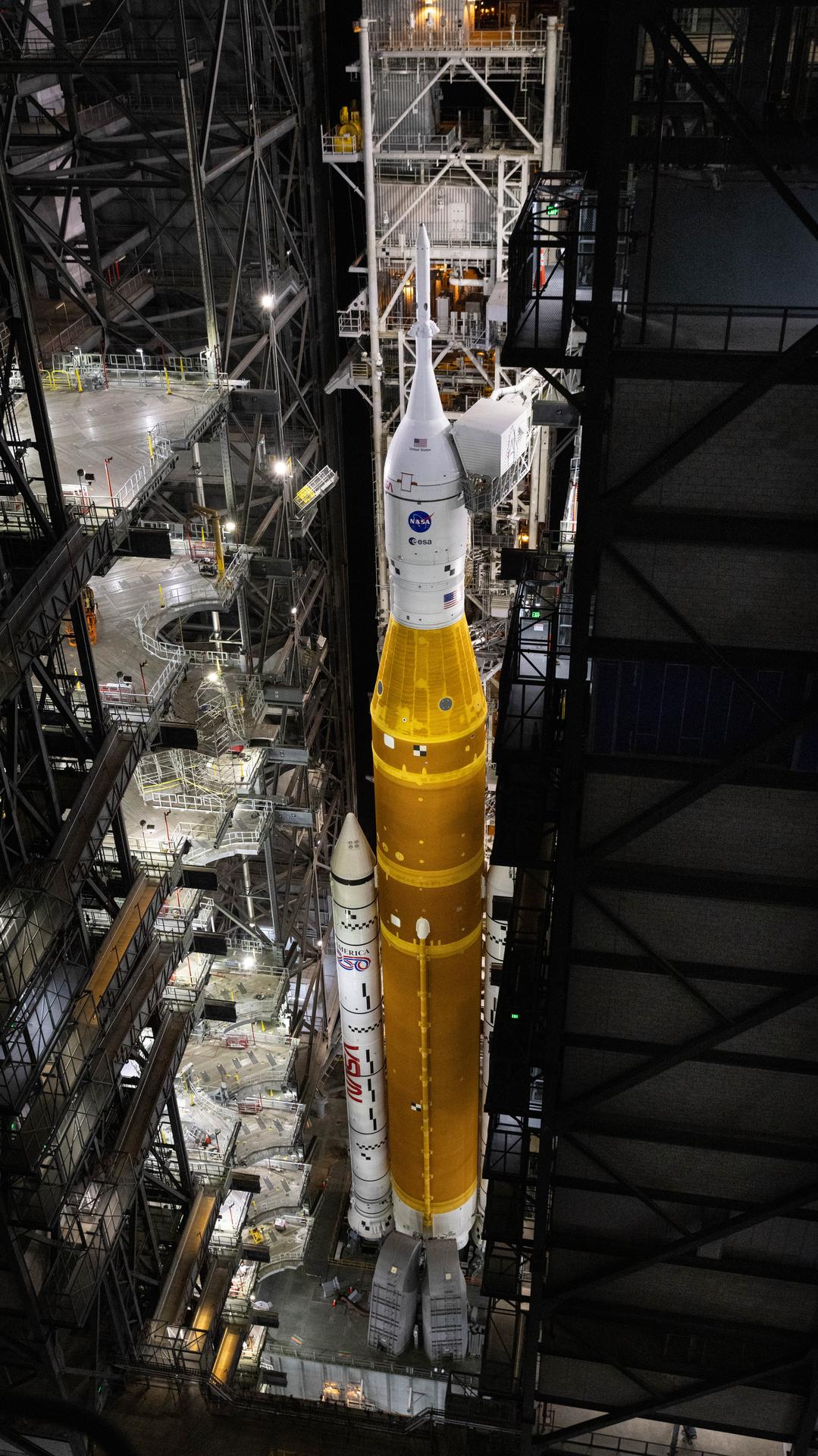 NASA Doubles Down On Lunar Presence With Artemis VII Mission
 Claude AI Assistant Surges To 2 In Apple App Store, Exceeding Instagram User Engagement