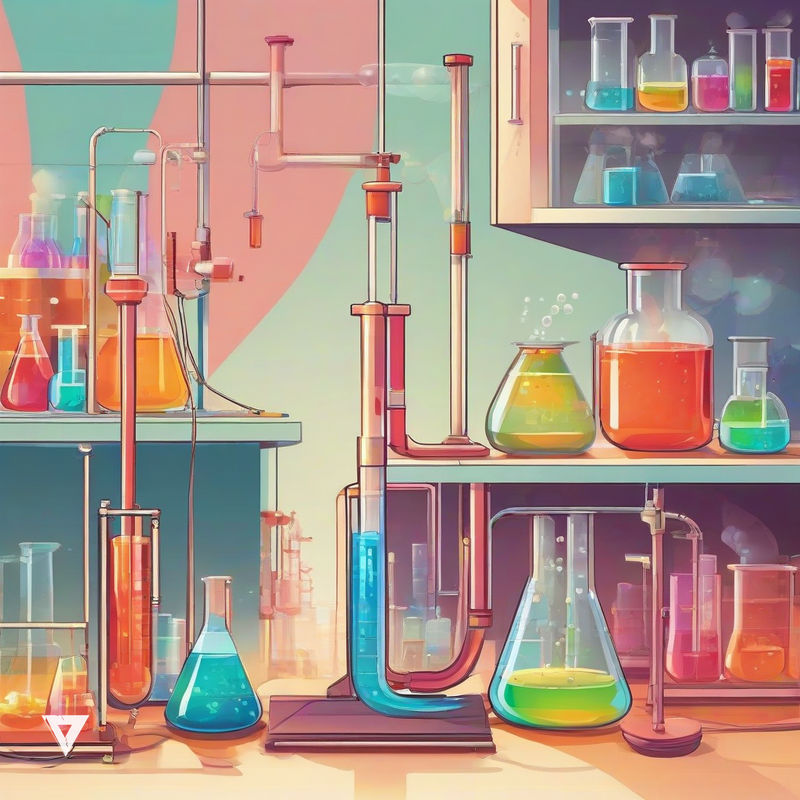
Researchers at the Indian Institute of Technology Gandhinagar recently cooked up a clever polymer gel that acts like an ultra-hungry microscopic sponge. By using a network of water-loving molecules, this hydrogel pulls toxic dyes straight out of polluted water.
It works through adsorption, which means the dangerous dye molecules stick to the vast surface area inside the gel pores.
Think of it as a molecular magnet for chemical filth.
Once the gel fills up, you can wash it out and use it again.
The urgency for such a solution is clear when looking at the scale of the global textile crisis.
Across the globe, textile factories dump millions of liters of colored poison into our public waterways every single day. In countries like India, entire rivers run pitch black or deep red depending on what color clothes are in fashion in Europe. Over eighty percent of this dirty water gets poured onto farming soil or directly into drinking streams without any cleanup.
People drink this water, wash their clothes in it, and use it to grow food. We are literally watering our vegetables with carcinogenic dye waste.
To combat this widespread contamination, traditional remediation efforts have historically fallen short.
For decades, factories tried cleaning this water using massive filters, expensive electricity, or heavy chemicals. But these old methods create a mountain of toxic sludge that we then have to bury in the ground. Or they use so much power that they worsen the climate crisis just to clean a single pond. Some filters clog instantly when faced with a mixture of different chemicals.
The passive nature of the newly developed hydrogel bypasses these limitations, capturing diverse chemical mixtures simultaneously without requiring external energy.
This economic and environmental reality underpins a deeper structural problem within global retail.
The True Cost Of Fast Fashion
We buy cheap clothes and expect the earth to pay the bill. The clothing industry relies on strong synthetic dyes because we demand shirts that stay bright after fifty washes. Yet, these same long-lasting chemical bonds make the dyes nearly impossible to break down in nature.
Large clothing brands move their factories to countries with weak laws to avoid the cost of cleaning up their mess. When we buy a ten-dollar shirt, we are subsidizing the destruction of someone else's river.
The real crime is that the technology to clean this water exists, but companies refuse to pay for it.
However, moving this technology from a laboratory environment into polluted industrial regions presents significant engineering challenges.
The Limits Of Molecular Sponges
Scaling up a laboratory experiment to clean a real river is incredibly hard. In a quiet lab, scientists test clean water mixed with just one or two dyes. Out in the real world, industrial wastewater is a hot, salty, acidic soup filled with heavy metals, dirt, and oils. These extra chemicals can block the pores of the hydrogel, stopping it from grabbing the dyes. If the gel breaks apart under harsh industrial conditions, we end up polluting the water with plastic micro-gels. We must find a way to make these sponges survive the chaotic reality of a real sewer.
To address these durability and efficiency challenges, researchers are focusing on the precise chemical mechanics that govern how these materials function.
Unseen Details Behind The Science
- Under the microscope, these hydrogels expand to hold up to nine hundred times their own weight in water.
- Because most toxic dyes like Methylene Blue carry a positive charge, scientists design these sponges with negative charges to pull them in like magnets.
- To reuse the sponge, you wash it with a tiny splash of cheap acidic alcohol, which releases the trapped dye into a small, highly concentrated cup for safe disposal.
- Near the IIT Gandhinagar campus, the local Sabarmati River has frequently turned red and yellow from illegal industrial dumping, making this research a direct response to local environmental crises.
- Instead of using fossil fuels, some newer hydrogels use agricultural waste like coconut shells and shrimp shells to form their physical structure.
Funding the implementation of such specialized materials has led economists and environmentalists to propose novel financial mechanisms to hold manufacturers accountable.
Should We Tax Colors To Save Our Rivers?
Let us talk about a radical proposal: we should tax colored clothing to fund wastewater cleanup. And why not? According to a landmark study on industrial water pollution, the true ecological cost of synthetic dyes is never included in the retail price of our clothes.
If a company wants to dye a shirt bright blue, they should pay a heavy tax to fund the deployment of these new hydrogels, thereby internalizing the environmental cost of their manufacturing choices.
While this policy would shift the economic burden back to the producers, it faces predictable opposition from manufacturing groups.
Of course, fashion executives will cry that this will ruin the economy. But they said the same thing when we banned lead in paint. With simple economic pressure, brands will quickly switch to safer, natural alternatives or fund clean water tech. In the long run, clean water is worth far more than a cheap pink sweater. Let us make the polluters pay, or let them sell us plain gray clothes.
Whether driven by potential taxes or upcoming regulatory shifts, the timeline for enforcing these clean-water standards is rapidly accelerating.
The Water Cleanup Race In June 2026
This June 2026, international negotiators are meeting in Europe to draft new rules for global textile supply chains. Under these new guidelines, brands must track the water footprint of their factories from start to finish. In response, engineering firms are rushing to test these IIT Gandhinagar hydrogels in large-scale pilot plants across Gujarat.
By applying these smart sponges directly to factory outflow pipes, engineers hope to show that zero-liquid-discharge systems are finally cheap enough for every factory to use. If these tests succeed this summer, we might finally see the end of colored rivers by the end of the decade.
Have thoughts on this article?
Send your feedback. Spotted a factual error or typo? Use this form to let us know. We use your feedback to improve our reporting. Thank you!
 Siri AI Dazzles At WWDC 2026 While Rishi Ó Uncovers Apple's 27 Hidden Developer Treasures
