Korean Metal Workers' Union Strikes Against Hyundai's 25,000 Electric Atlas Robot Army
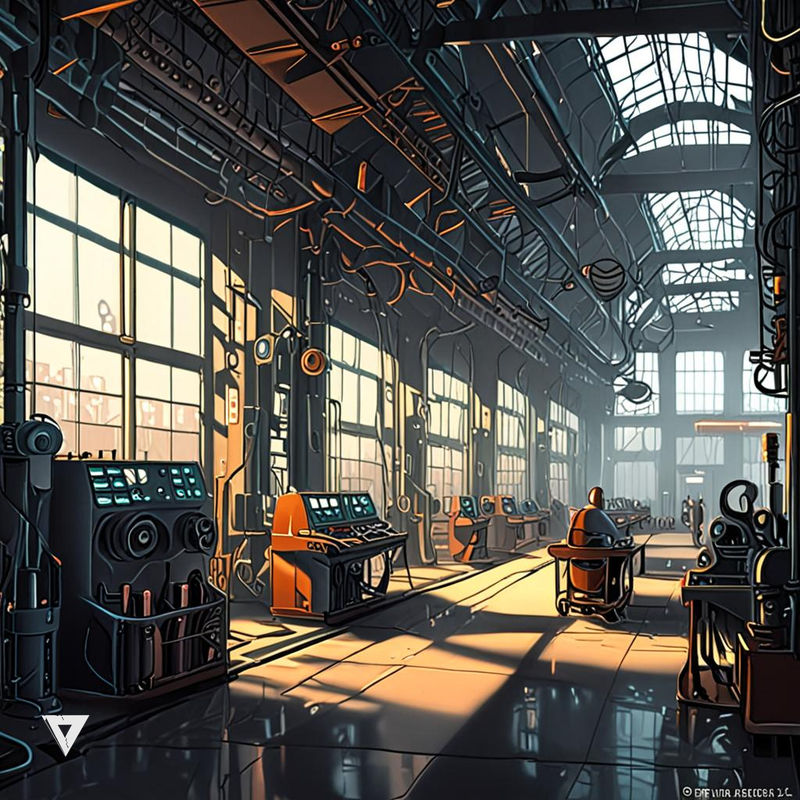
Look at the numbers, folks. Over 73,000 members of the Korean Metal Workers' Union voted to go on strike at Hyundai. They want higher pay. More importantly, they want to stop the incoming army of humanoid robots. They are demanding a direct veto over any new artificial intelligence in the factories. Talk about drawing a line in the silicon!
In January, Hyundai announced they are bringing the freshly redesigned, fully electric Atlas robot to their brand-new Georgia factory by 2028. This isn't the clunky machine that falls over doing flips on YouTube anymore. This new model from Boston Dynamics is sleek, strong, and works without taking breaks. Hyundai wants to put more than 25,000 of these metal workers across their global factories.
Why are South Korean workers so incredibly nervous? Because the data shows they are already living in the future. According to the International Federation of Robotics, South Korea has the highest robot density on the planet, with over 1,000 industrial robots for every 10,000 human workers. That is ten times the global average! With stats like that, you can see why these factory employees feel like the robots are breathing down their necks.
The Math Behind the Metal Takeover
Under the hood of this dispute lies a wild financial math problem. The union wants a bonus of about $27,000 per worker, which eats up a massive third of Hyundai's annual profits. But think about the long-term cost of a robot. An electric Atlas robot might cost a bundle upfront, but it runs on cheap electricity and no pension needed.
How Fearing Machines Pushes Them Faster
Beyond these immediate financial calculations, the threat of labor disruption itself accelerates the shift. By threatening to shut down assembly lines, the union is giving executives a compelling reason to buy more robots. Robot hands do not go on strike. If humans walk off the job, those 25,000 planned humanoid machines start looking like a very safe investment to nervous shareholders.
The Secret Rivalry Fueling the Factory Fire
- The Samsung effect: Employees are feeling a big dose of envy because rivals at Samsung Electronics got massive bonuses recently, triggering South Korea's first-ever tech strike.
- The EV transition shock: A fundamental shift in how vehicles are built, which naturally requires less manual labor than assembling traditional gas engines.
- The Georgia connection: Hyundai is testing these advanced robots first in the United States, far away from the powerful Korean unions, to iron out the bugs before bringing them home.
This structural shift is highlighted in a recent report by Bloomberg, where experts point out that because EV manufacturing requires about 30 percent fewer parts, it naturally strips away traditional assembly line jobs. Look at how the dots connect here. By focusing on the Atlas robot, the union is finding a flashy, walking villain to blame for this inevitable industry-wide transition.
Fun Facts About Our New Robotic Co-Workers
Let's talk about the actual tech because it is wild. The electric Atlas has three-finger grippers that can lift heavy, awkward car parts with ease. It can spin its joints 360 degrees, meaning it can turn around without moving its feet. Also, Hyundai's main factory in Ulsan is the single largest automobile plant in the world, producing over 1.5 million vehicles a year. If robots take over there, it will be the biggest automated experiment in human history!
Have thoughts on this article?
Send your feedback. Spotted a factual error or typo? Use this form to let us know. We use your feedback to improve our reporting. Thank you!