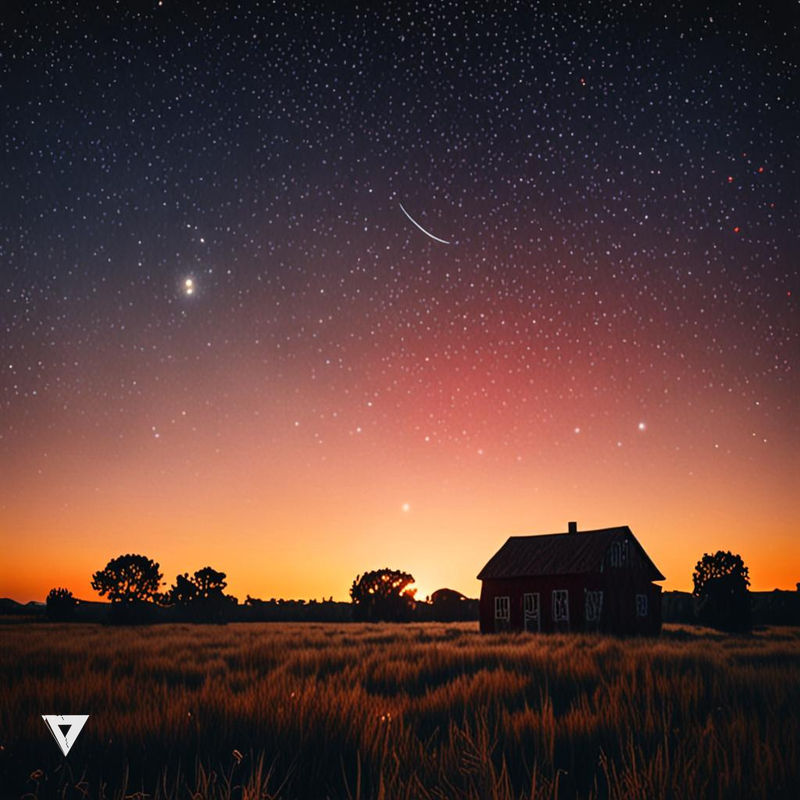
On May 31, 2026, a rare blue micromoon will fill our night sky. This happens because the moon hits its second full phase in a single month while sitting at its farthest point from Earth. If you miss this upcoming show, you will have to wait until the year 2053 to see it again.
During this event, the moon reaches apogee, which is the farthest spot in its oval-shaped orbit. At a whopping 406,300 kilometers away, the moon looks about fourteen percent smaller than a supermoon. Because of this massive distance, it shines much dimmer than usual, casting a quiet, ghostly glow over our backyards.
Why Astronomers Are Arguing on Your Feed
While the physical mechanics of apogee are clear, the terminology surrounding this event has sparked intense debate. In the hallways of space science, people are actually fighting over what a blue moon even means. Some experts at NASA argue that using calendar months is just a modern trick, preferring the older rule of counting four full moons in a single season.
But the internet loves the two-in-a-month rule, which makes this event a viral sensation.
To make things weirder, there is no official scientific rule for when a micromoon officially starts, leaving skywatchers to draw their own lines in the cosmic sand.
The Secret Feud Over the Name of Our May Moon
This linguistic disagreement extends to historical nomenclature as well. For decades, traditionalists have clashed with modern writers over naming rights. According to the Old Farmer's Almanac, the May moon is always the Flower Moon. However, some researchers argue that applying this traditional seasonal title to a calendar-based blue moon disrupts the seasonal cycle.
This fight has spilled onto forums, with amateur clubs accusing big publications of hyping up sensational names just to get clicks.
Demystifying the Cosmic Math
Beyond the arguments over what to call the event, the underlying orbital mechanics reveal why this occurrence is so rare. The moon operates on a nineteen-year cycle, which aligns the phases of the moon with our calendar dates. Yet, getting that cycle to line up perfectly with the exact day the moon reaches its furthest point takes much longer, explaining why this dual celestial event is such a rare anomaly.
How to Catch This Rare Sky Show
Fortunately, you do not need to master orbital dynamics to enjoy the view. Here is how you can experience this rare celestial display:
- Use a telescope to spot the Crater Copernicus, which looks sharper during a micromoon due to reduced glare.
- Use mobile apps like Time and Date to track the exact minute the moon hits its peak on May 31.
- Step outside at midnight to participate in a global citizen science project to measure sky brightness during apogee.
Bonus Science Tricks for Your Telescope
As you observe the night sky, you can also look out for several unique physical phenomena associated with this extreme distance. Since the moon is so far away, the famous "moon illusion"—where the moon looks giant near the trees—will be much weaker. Additionally, this extreme distance means the gravitational pull on our oceans is at an all-time low for the month.
This creates exceptionally weak high tides, which marine biologists call apogean tides, giving beachcombers a rare chance to explore tide pools that are usually underwater.
Have thoughts on this article?
Send your feedback. Spotted a factual error or typo? Use this form to let us know. We use your feedback to improve our reporting. Thank you!
 Waymo Maps Autonomous Future Amid Virginia Regulatory Delays
 AI Solves Erdős' 80-Year-Old Dot Puzzle, Sparking Human Breakthroughs By Sawin And DeepMind
