NASA’s CINEMA Mission To Explore Earth’s Magnetotail And Space Weather
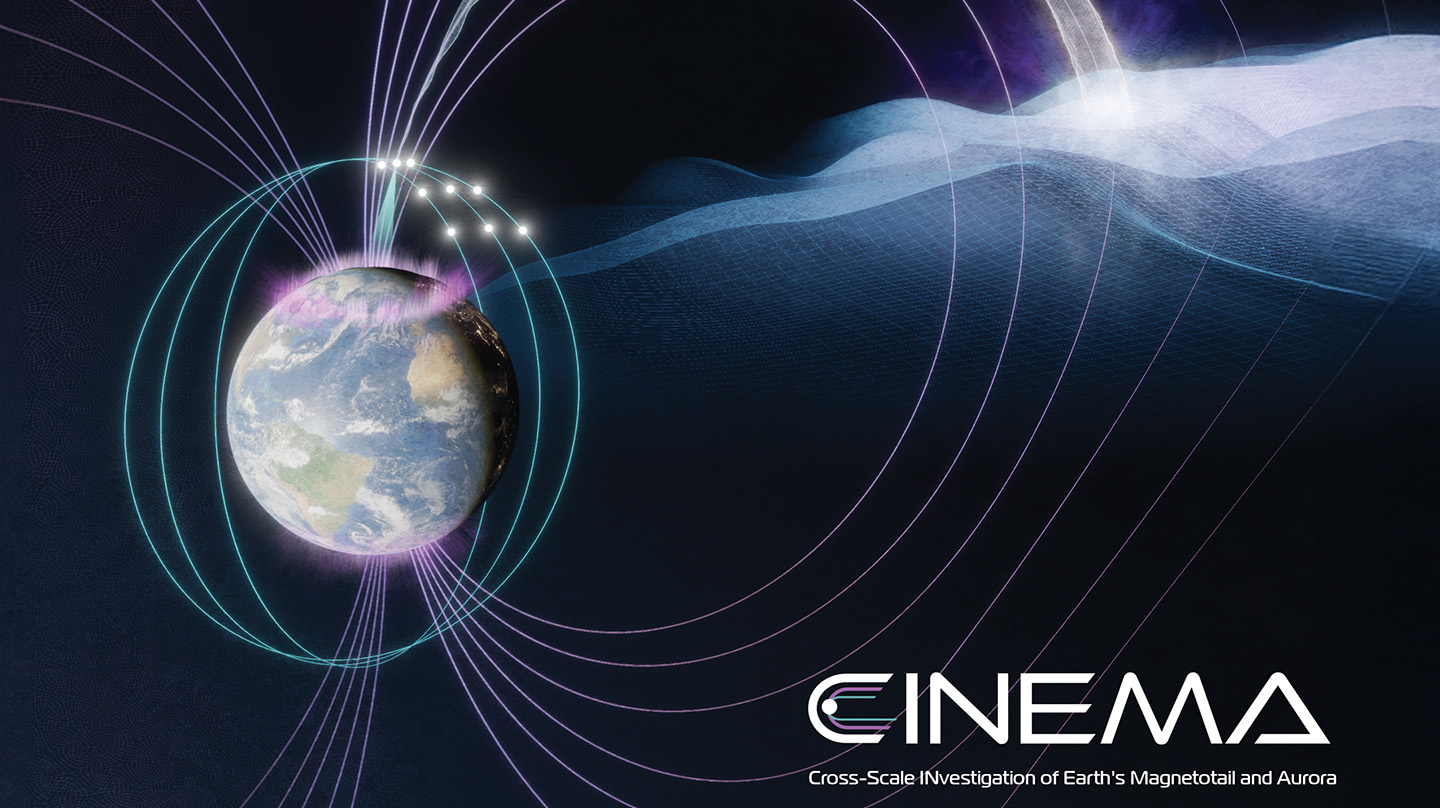
In the vast expanse of space, a phenomenon known as space weather has been gaining attention for its far-reaching impacts on Earth and beyond. NASA has taken a significant step towards understanding this complex issue by selecting the Cross-scale Investigation of Earth’s Magnetotail and Aurora (CINEMA) mission for development.
This mission, a collaborative effort between Dartmouth College and the Johns Hopkins Applied Physics Laboratory (APL), aims to unravel the mysteries of energy circulation through Earth’s magnetotail. The magnetotail, an extension of our planet’s magnetic field, is shaped by the solar wind streaming from the Sun. As energy accumulates, the magnetotail releases it, sometimes explosively, fueling intense geomagnetic storms and substorms.
These events contribute to space weather, a set of occurrences triggered by solar activity that can range from breathtaking auroral displays to disruptions in satellite safety, air travel, and ground infrastructure. CINEMA will provide a critical tool to enhance our understanding of the energetic connection between the Sun and Earth. By exploring the magnetotail and aurora, the mission will shed light on the intricate relationships between solar activity, space weather, and their effects on our planet.
This knowledge will be invaluable for future human exploration, as it will help scientists better understand ← →
CINEMA, a mission to improve understanding of the growing impacts of space weather, has been competitively selected by NASA for development.
Related materials: Visit website
 Approved by the Army of the Alien Monkeys