Spotify's AI Remix Tool With Universal Music Sparks Stock Surge And Artist Debate
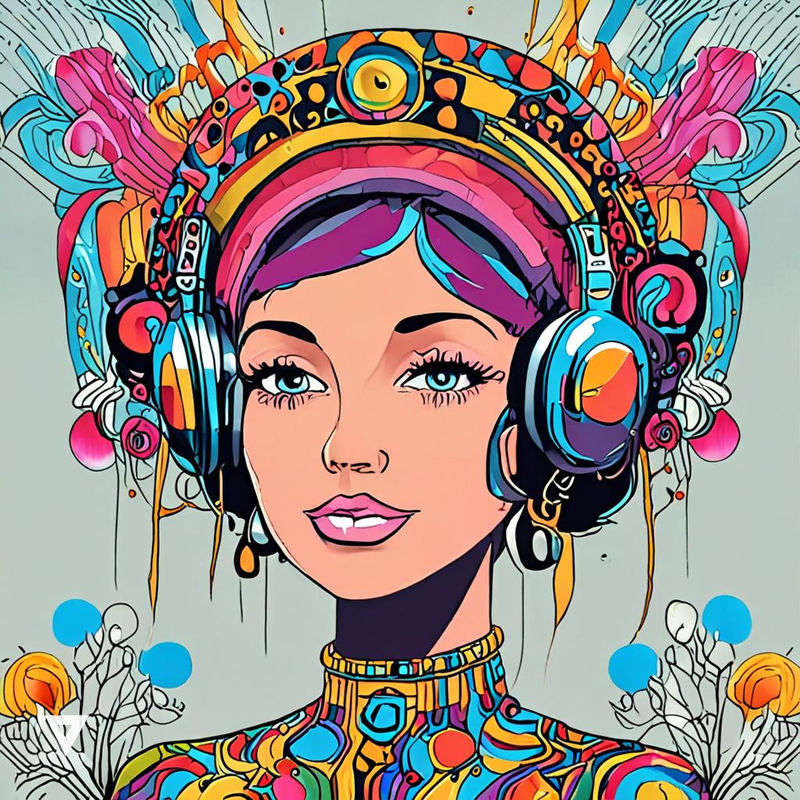
Spotify Steps Into the Synthetic Audio Arena
Spotify just took a massive step into the future of sound. Alex Norström, the leader of the streaming giant, is standing up for a fresh tool that lets premium users create AI-generated remixes and covers. Instead of letting raw, bad AI music flood the internet, this new partnership with Universal Music Group puts the power back into a safe system.
It gives fans a way to play with the voices of their favorite stars without stealing their work.
Wall Street loves this deal. Following the announcement of this system, Spotify saw its stock price jump by a massive 16 percent in just one week. By charging users an extra fee to turn one hit song into 10,000 unique variations, the company has found a clever way to turn casual listeners into active creators. This is a massive win for investors who want to see new ways to make money from old catalogs.
At its heart, this strategy relies on the simple idea of consent. Instead of fighting a losing war against unauthorized copying, the platform is building a secure framework. Musicians can choose to opt in and collect a check for every synthetic copy made, proving that the best solution is to build a legitimate system that pays the people who write the songs.
While this system offers a lucrative path forward for established stars, its impact on the broader music ecosystem is highly unequal.
How Bedroom Musicians Will Feel the Squeeze
For decades, young artists started their careers by recording raw acoustic covers in their bedrooms. But this new tool changes the entire game for the next generation of creators. When a fan can generate a perfect, studio-grade remix using an official voice clone in seconds, the market for human-made cover songs will likely shrink. Real, working-class musicians will have to find new ways to stand out when algorithms can mimic any star instantly for a small fee.
For listeners, however, accessing this powerful cloning technology requires only a few simple taps on a smartphone.
Your Three-Step Guide to Algorithmic Remixing
In the official app, open any participating track and select the new creation option. Next, type a simple text prompt to choose a new style, such as turning a fast pop track into a slow jazz ballad. Finally, hit the generate button to let the system create your unique, legal track while the original artist automatically gets paid for their voice likeness.
Though the user experience is designed to feel effortless, the industry battles that made this feature possible have been incredibly volatile.
The Loud Fight Over Who Owns Your Voice
But let us be real for a moment: this is a messy, loud fight. For years, major labels acted like AI was a monster coming to destroy the music world. Remember the chaos of 2023 when a fake song featuring cloned voices of Drake and The Weeknd went viral, as reported by The New York Times? Executives screamed about theft and demanded that platforms pull the track down immediately.
Yet, here we are in May 2026, and those same executives are signing big deals to license those exact voice models.
It is funny how fast principles melt when there is a mountain of cash on the table.
We are watching a wild u-turn where the tech that labels wanted to ban is now their favorite new product.
To understand how the music industry arrived at this sudden turnaround, it is helpful to look back at the key milestones of the last few years.
The Road to the 2026 Synthetic Sound Era
In late 2023, major record labels began aggressive legal actions against unauthorized voice cloning websites to protect their top talent.
By mid-2024, synthetic music startups showed the world that anyone could make a full song from a simple text prompt, putting pressure on traditional publishers.
In early 2025, experimental licensing deals allowed select pop stars to sell their vocal rights to software companies for commercial use.
By May 2026, these controversial systems have successfully transitioned into mainstream commercial products, cementing synthetic sound as a standard feature for millions of listeners.
As these tools become normalized, they raise complex legal and philosophical dilemmas that the industry is still struggling to resolve.
The Strange Quiz on Who Actually Wrote Your Song
Question 1: If an AI uses a database of millions of songs to generate a three-second guitar riff that sounds exactly like a famous track, who owns the copyright?
Hypothetical Answer: Under new digital rules, the copyright is split between the software company and the artist who trained the model.
Read more: Check out the copyright guide on Billboard.
Question 2: What happens when a fan-made AI song becomes more popular than any track the real artist ever released?
Hypothetical Answer: The artist receives a major royalty boost but must deal with fans who prefer the fake version of their voice to their real-world self.
Read more: Read about the psychology of virtual singers at The Guardian.
Have thoughts on this article?
Send your feedback. Spotted a factual error or typo? Use this form to let us know. We use your feedback to improve our reporting. Thank you!
 Helion's Polaris: Racing To Squeeze Rare Atoms For Microsoft's Power Hunger
 The Plasticizer Breakthrough For Solid-State Lithium Batteries