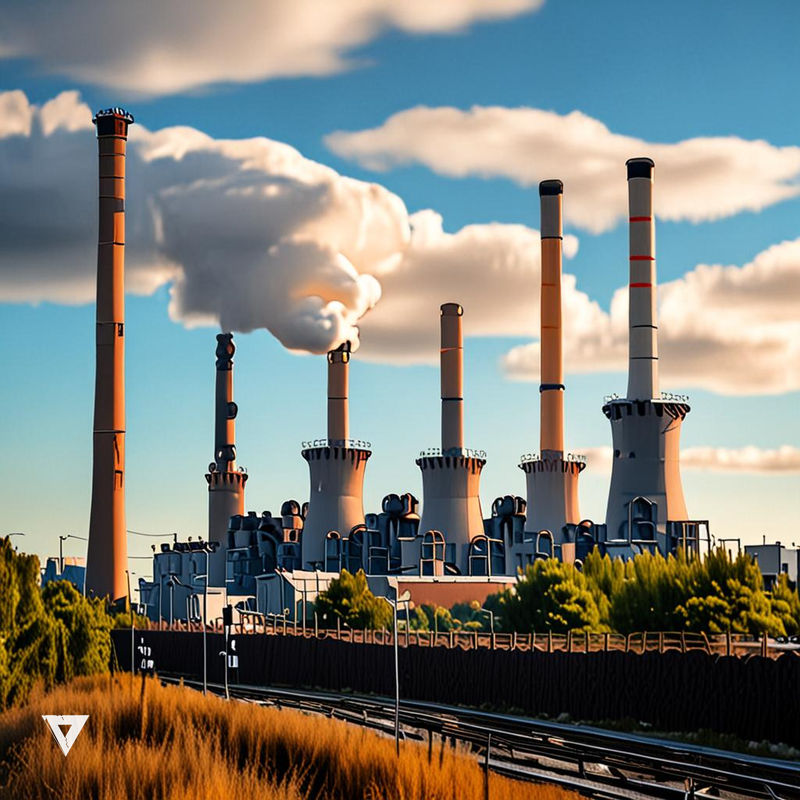
Nvidia dominates the AI hardware market with its Blackwell chips, and now the newly announced Rubin architecture is entering production. A single modern AI data center can consume as much electricity as hundreds of thousands of homes. In places like Northern Virginia, the local utility company, Dominion Energy, is struggling to hook up these massive digital warehouses fast enough.
Big Tech companies are buying up nuclear power to keep their servers running. Microsoft signed a massive twenty-year deal with Constellation Energy to restart a reactor at the Three Mile Island nuclear plant in Pennsylvania. This facility, shut down years ago, will now feed power directly to Microsoft data centers.
Local power grids are facing unprecedented strain that threatens public infrastructure. In Ireland, data centers already consume more than twenty percent of the nation's total electricity. EirGrid, the state grid operator, has placed a de facto moratorium on new data center connections in the Dublin region to prevent blackouts.
How Tech Giants Buy Whole Power Plants
To bypass these increasingly strained public grids, major technology firms are directly acquiring entire energy generation facilities. Amazon Web Services purchased a nine hundred sixty megawatt data center campus in Pennsylvania right next to the Susquehanna steam electric station.
They bought this site directly from Talen Energy to secure nuclear energy without waiting for grid upgrades.
Other tech companies are now racing to duplicate this "behind-the-meter" strategy.
This bypasses the traditional utility queue completely.
Secret Negotiations Behind Clean Energy Contracts
Where direct plant acquisitions are not feasible, tech giants are entering high-stakes negotiations to lock down future energy capacity. Inside the boardrooms of top energy providers, executives are dictating terms to tech billionaires. Companies like NextEra Energy and Southern Company are demanding long-term commitments of fifteen to twenty-five years before building new solar and wind farms.
Tech firms must pay massive upfront deposits to secure their place in the energy line. The power dynamics have completely flipped, and utility stocks are soaring as a result.
The Hidden Battles Over Local Utility Rates
As utilities and tech firms lock in these exclusive power agreements, public pushback is growing over who actually pays for the underlying infrastructure. State regulators are starting to push back against these sweetheart energy deals. In Ohio, American Electric Power proposed a new tariff that would force data centers to pay for infrastructure even if they do not use the projected power.
This sparked a fierce legal battle in early 2026 between tech lobbyists and consumer advocacy groups.
Regular homeowners are angry that their monthly electricity bills are rising to fund high-tech server farms.
Why The Clean Energy Transition Is In Trouble
The financial strain on consumers is only part of the problem; the sheer volume of energy required by AI is also threatening broader climate goals. A single query on a generative AI tool uses ten times the electricity of a standard Google search. In Nebraska, for example, the public power district had to delay the retirement of a major coal plant to support a massive Meta data center.
For more on this brewing firestorm, look up these crucial case studies and reports:
- Read the International Energy Agency Electricity Report to see the shocking global demand projections.
- Check out the Federal Energy Regulatory Commission rulings on grid interconnection backlogs.
- Read about the PJM Interconnection capacity market auctions where prices skyrocketed due to rising demand.
Have thoughts on this article?
Send your feedback. Spotted a factual error or typo? Use this form to let us know. We use your feedback to improve our reporting. Thank you!
 Sargassum Seaweed Invasion
 Star City: A Paranoid Soviet Thriller Where KGB Bugs Hide In Kitchen Walls And Cosmonauts Dream ...