The Largest Planet In Our Solar System
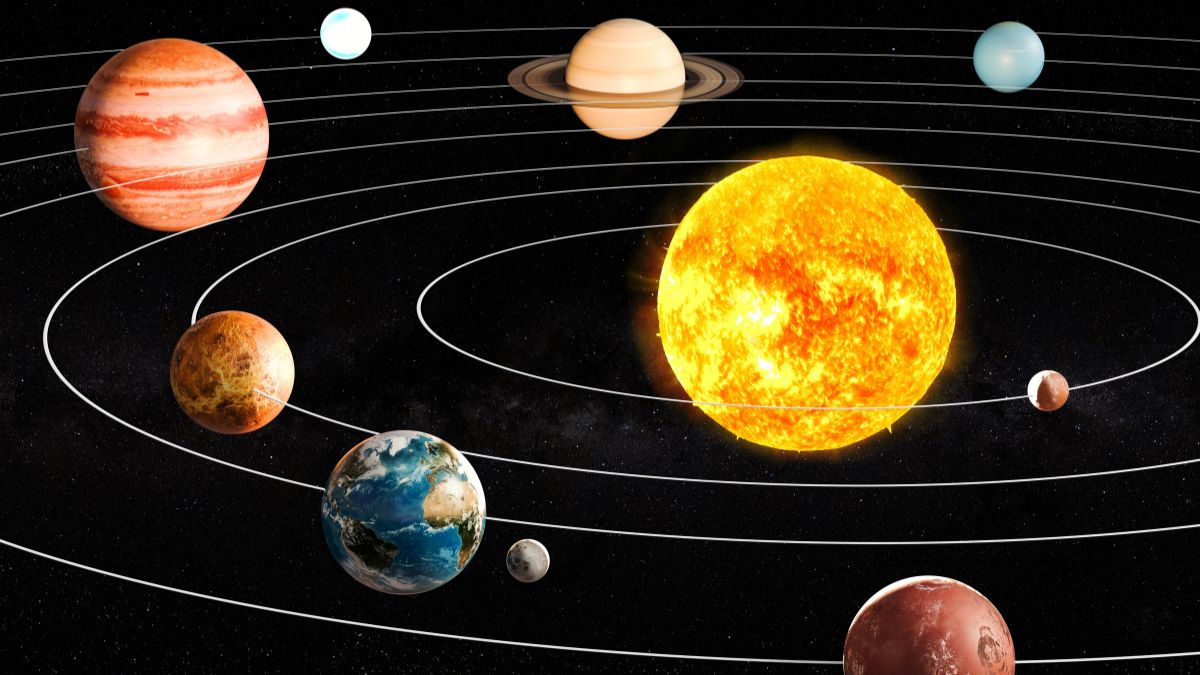
The largest planet in the solar system is a marvel of celestial proportions. Jupiter, a gas giant, reigns supreme in terms of diameter, mass, and volume. Its enormity is so profound that all other planets could fit inside it combined, a testament to its unparalleled scale. Formed early in the solar system’s history, Jupiter’s strong gravity enabled it to capture vast amounts of hydrogen and helium, fueling its massive growth.
This phenomenon has resulted in an average diameter of approximately 139,820 kilometres, dwarfing Earth by a factor of over 11. The sheer volume of Jupiter is awe-inspiring, with the capacity to contain over 1,300 Earths within its gaseous expanse. Its mass eclipses that of all other planets, with a gravitational influence extending far beyond its orbit, affecting asteroid belts and comet paths.
Composed primarily of hydrogen and helium, similar to the Sun, Jupiter’s atmospheric conditions give rise to liquid and metallic forms of hydrogen beneath its cloud layers. Scientists speculate that a dense core may reside at its centre, adding to the planet’s mystique. Jupiter’s satellite system is equally impressive, boasting the largest number of moons in the solar system, including Io, Europa, Ganymede, and Call ← →
Largest Planet in the Solar System: Jupiter is the largest planet in the solar system. It is the biggest in diameter, mass, and volume, and it is so…
Related materials: Visit website
 Approved by the Army of the Alien Monkeys