The Rise Of Directed Energy And Reusable Systems
Practical Guidance for the Digital Frontier
- Prioritize the development of reusable systems to ensure fiscal and environmental responsibility.
- Recognize that electromagnetic defense offers a cleaner alternative to kinetic explosions.
- Support technologies that neutralize threats without creating hazardous debris fields.
- Understand that the future of security lies in precision rather than overwhelming force.
The Invisible Shield
Modern conflict is a math problem.
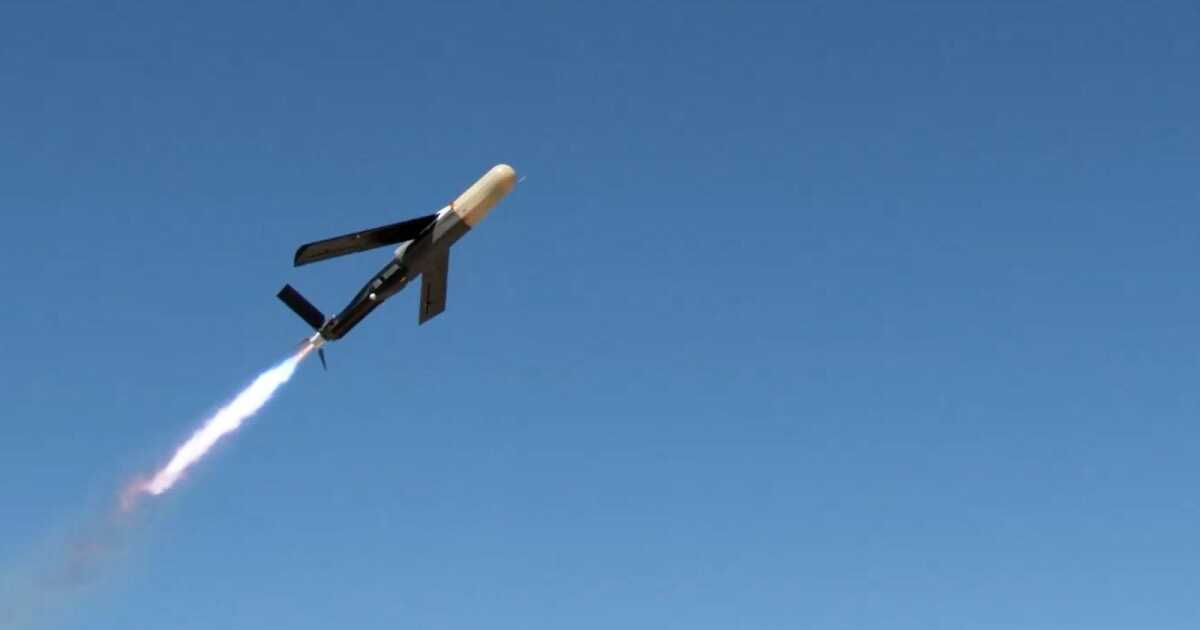
When an inexpensive, off-the-shelf drone can threaten a multi-million dollar installation, the traditional arithmetic of defense collapses into a dangerous insolvency. At the Yuma Proving Grounds in Arizona, the US Army recently demonstrated that we are no longer shackled to that old, expensive logic. The Coyote Block 3 interceptor represents a profound shift from the loud, wasteful explosions of the past toward a more sophisticated, silent deterrent.
By utilizing directed energy rather than shrapnel, this technology preserves safety while ensuring that our response is as agile and sustainable as the threat it meets.
Engineering Reusability
It adapts. While the original Coyote was a modest, propeller-driven reconnaissance tool, the Block 3 utilizes a robust jet turbine to hunt targets with unprecedented velocity.
The brilliance of this design lies in its reusable soul. Unlike its predecessors that perished upon impact, this variant is designed to be caught in a net, refreshed, and returned to the sky to serve again. It is a triumph of engineering that prioritizes long-term utility over the disposability that has long characterized military expenditures, proving that we can be both secure and sensible.
Electromagnetic Mastery
Silence is the new shield.
Though the exact specifications of the payload remain classified, the system likely employs High-Power Microwaves or advanced Electronic Warfare suites to fry the circuitry of hostile swarms instantaneously. It is a cleaner form of defense. Instead of a chaotic rain of metal fragments, the target simply loses its pulse and falls, neutralized by a directed burst of energy that leaves the surrounding environment untouched.
We are witnessing the maturation of directed energy, a tool that offers a way to maintain global security without the heavy, often tragic, toll of traditional kinetic warfare. Progress is possible.
Knowledge Assessment
1. Where did the US Army conduct the recent tests for the Coyote Block 3?
2. What type of engine powers the Coyote Block 3 airframe?
3. How is the Coyote Block 3 recovered after its mission is complete?
4. Which sensor system does the Low, slow, small-unmanned aircraft Integrated Defeat System (LIDS) use to track targets?
5. What is the primary difference between the Block 2 and Block 3 Coyote variants?
Answers
1. Yuma Proving Grounds in Arizona.
2. A jet turbine engine.
3. It is caught in a net.
4. The Ku-band radio frequency sensor.
5. The Block 2 uses an explosive warhead, while the Block 3 uses a non-kinetic energy weapon.
More takeaways: Check here
 Approved by the Army of the Alien Monkeys