The Rise Of Humanoid Robots: Progress, Challenges
The development of humanoid robots has gained significant attention at the Humanoids Summit in Silicon Valley, with over 2,000 attendees witnessing the unveiling of cutting-edge technology. Despite the enthusiasm, skepticism ___ regarding the feasibility of truly humanlike robots. According to researchers at McKinsey & Company, about 50 companies worldwide have invested heavily in humanoid development, with 20 in China and 15 in North America leading the charge.
Venture capitalist Modar Alaoui, founder of the Humanoids Summit, believes humanoids will become the norm, but experts like Cosima du Pasquier, founder and CEO of Haptica Robotics, emphasize that significant research challenges must be addressed. The development of “general-purpose” robots for workplaces or households is expected to take longer, but innovations like Disney’s walking robotic Olaf are already making strides in entertainment and education.
As the industry continues to evolve, it is essential to consider the potential applications and implications of humanoid robots in various sectors. Insights from experts and researchers suggest that while progress has been made, there is still much to be explored and developed in this field. With continued investment and research, humanoid robots may become increasingly integrated into daily ___, transforming industries and interactions.
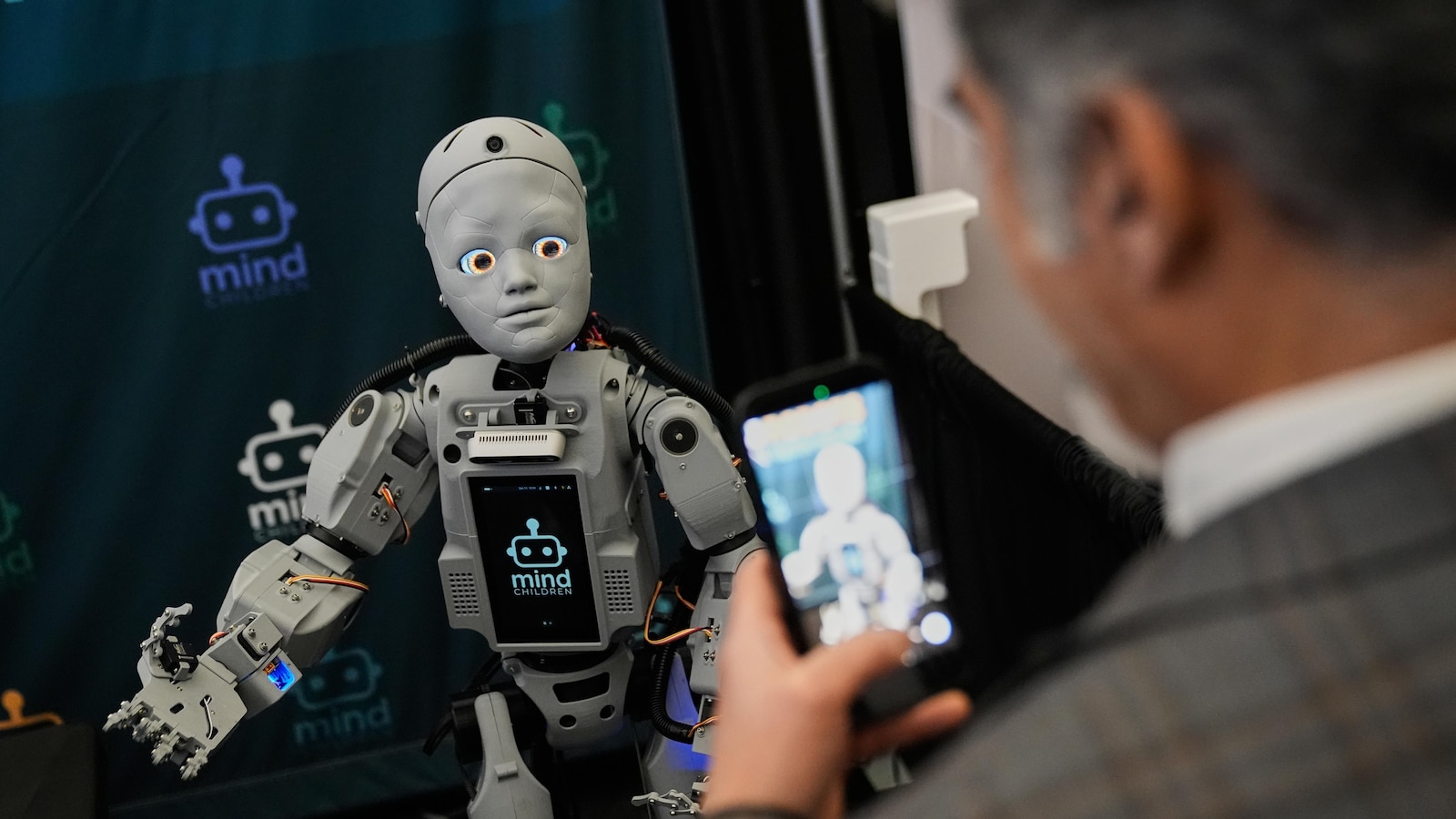
MOUNTAIN VIEW, Calif. — Robots have long been seen as a bad bet for Silicon Valley investors — too complicated, capital-intensive and “boring, …
Alternative viewpoints and findings: Check here
 Approved by the Army of the Alien Monkeys