Using Radical Empathy To Counter Conspiracy Theories
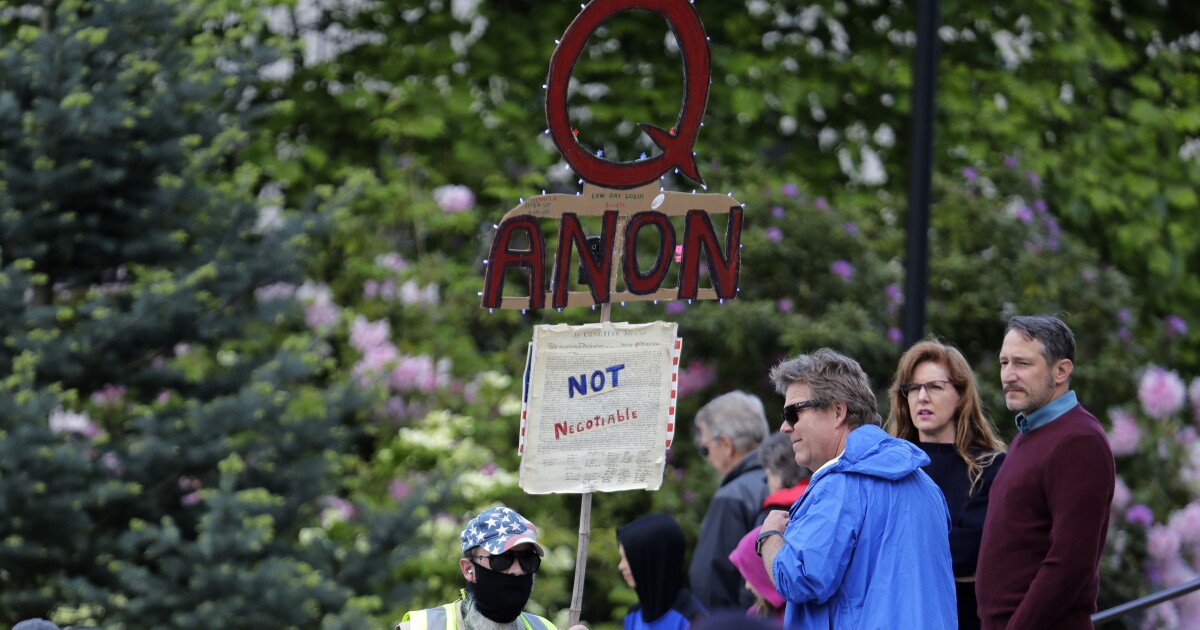
Conspiracy theories have become a pervasive aspect of American culture, with a significant majority of citizens subscribing to at least one. According to a National Academy of Sciences survey, over 75% of Americans now agree with a conspiracy theory. Chris Conner, a University of Missouri sociology assistant professor, suggests that engaging with individuals who promote these theories requires a unique approach: radical empathy.
This concept involves understanding the perspectives and experiences of others, even if their views seem misguided. Conner’s goal is not to justify problematic views, but to facilitate a productive conversation that can help individuals re-engage with mainstream society. He emphasizes that conspiracy theories, although sometimes seemingly harmless, can lead to detrimental outcomes.
For instance, the unfounded claim that litter boxes are present in elementary schools due to active shooters highlights the potential harm of these theories. By employing radical empathy, individuals can create an “off-ramp” for those entrenched in conspiracy theories, encouraging them to re-enter the public discourse.
This approach enables a more nuanced understanding of the complex factors driving the proliferation of conspiracy theories in America. Effective engagement with proponents of these theories requires a deep understanding of their viewpoints and a commitment to constructive dialogue.
That’s because more than 75% of Americans now agree with at least one conspiracy theory, according to a survey published by the National Academy of …
Here’s one of the sources related to this article: Check here
 Approved by the Army of the Alien Monkeys