Virtual Reality In Sexology: A New Frontier For Sexual Health Interventions
The integration of virtual reality into the field of sexology has sparked significant interest, with immersive digital technologies being explored as a means to enhance access to psychological and educational interventions. These cutting-edge tools are being utilized to address a range of sexual health concerns, including sex-related posttraumatic stress disorder, anorgasmia, and erectile dysfunction.
By simulating three-dimensional environments, virtual reality creates a sense of presence, allowing users to interact with virtual worlds and scenarios in a highly immersive and engaging manner. The potential benefits of virtual reality in sexology are multifaceted, enabling therapeutic exposure to conditions that may be difficult to address through conventional therapy.
For instance, individuals struggling with sexual aversion or premature ejaculation may find it challenging to confront their concerns in a traditional in-person setting, due to feelings of embarrassment or stigma. Virtual reality, however, provides a secure and discreet environment, allowing users to engage with therapeutic protocols from the comfort of their own homes.
This flexibility is particularly valuable, as it enables individuals to access interventions that may have previously been inaccessible due to logistical constraints or personal anxieties. According to Medscape, a reputable source in the field of medical research, early clinical studies suggest that virtual reality may be effective in improving sexual symptoms and associated psychological distress.
However, it
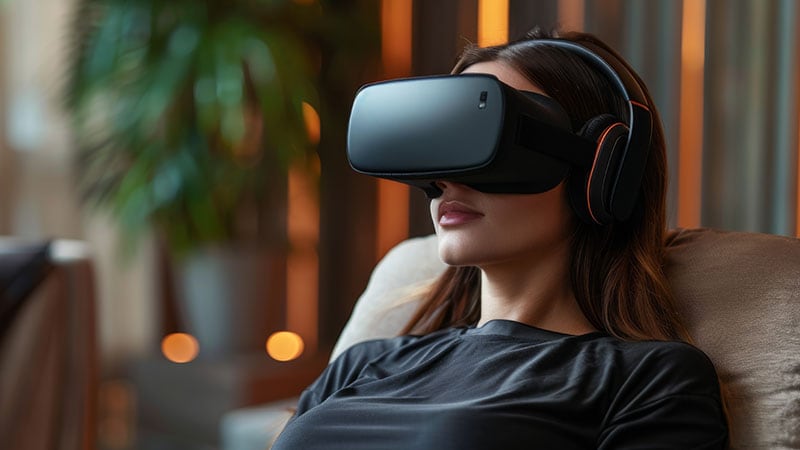
Immersive digital technologies, such as virtual reality (VR) and metaverse-based environments, have drawn increasing attention to sexology.
More takeaways: See here
 Approved by the Army of the Alien Monkeys