Four humans zoomed past the moon and then picked up the phone to call home. On their way back to Earth, the Artemis II crew chatted with their friends on the International Space Station. This was not just a friendly “hello” across the stars. It proved that our deep space ships can talk to our low Earth ships without a glitch.
They used the Orion spacecraft’s communication gear to bridge thousands of miles of empty space.
It is a long-distance call that costs billions but makes the giant void feel a bit smaller.
Space is getting crowded, and that is a good thing!
Since that famous call on April 6, the mission has reached its big finale. On April 14, 2026, the Orion capsule hit the Pacific Ocean with a massive splash. The crew hit the water at 25 miles per hour after the heat shield took the brunt of 5,000 degrees Fahrenheit.
Now, as of April 16, the USS San Diego has already brought the team back to shore.
They are standing on solid ground in San Diego right now. The moon is behind them, but the hard work of reading all that new data is just starting.
They are home!
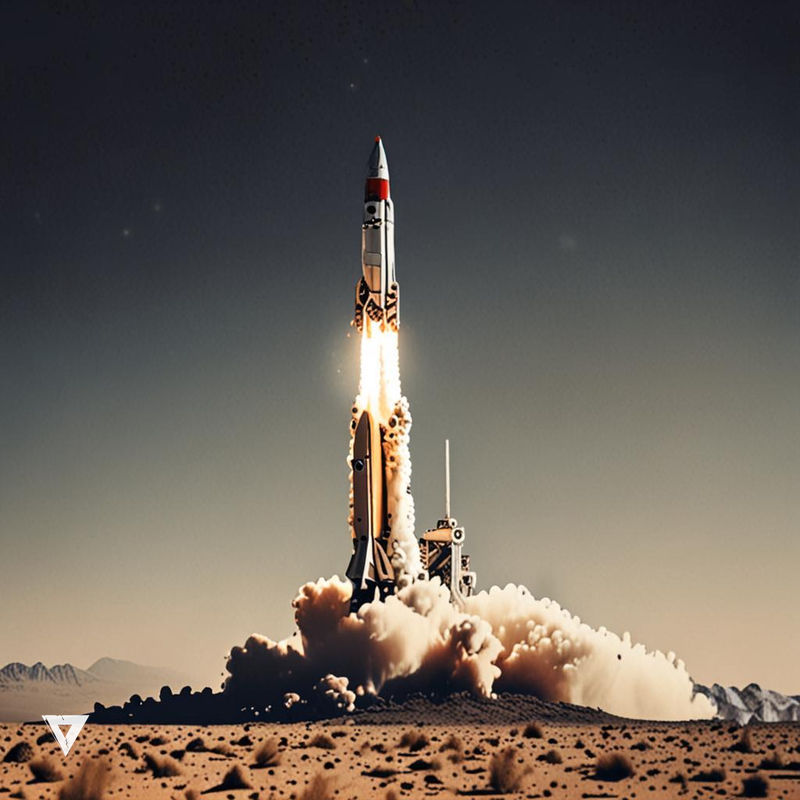
This mission used the Space Launch System, which is the most powerful rocket ever built. It pushed out 8.8 million pounds of thrust to get them off the porch. During the flyby, the crew traveled 4,600 miles past the far side of the moon. That is the farthest any human has ever gone into the dark. They saw the “Earthrise” with their own eyes and took a selfie to prove it. No robot can tell us how that view changes a person. They went farther than any human in history.
A closer look
The Orion capsule is a beast of a machine. It has life support systems that scrub the air and keep four people breathing for days on end. During this trip, the crew tested a new laser communication system. Instead of old-school radio waves, they used light to send big files back to Earth.
This means we get better pictures and faster video of the lunar surface.
But it also means no more fuzzy, grainy videos from the moon. We want 4K or we are not going!
The tech worked perfectly even as they flew at thousands of miles per hour.
Signal vs. Noise
And people say this is just a repeat of the old days. They are wrong! This is not your grandfather’s moon mission. The noise you hear is about the high cost of the tickets. But the signal is the future of where we live. If we do not go now, we lose the skills to ever go back. It is about staying there this time, not just visiting.
Space is the ultimate business park for the next century.
We are building a camp, not just leaving a flag. It is time to get excited about the business of space!
The Unseen Details Of The Lunar Dash
- The crew ate “wet pack” foods like beef tips and chocolate pudding to keep their energy up during the high-G moves.
- Jeremy Hansen is now the first person from Canada to ever leave the neighborhood of Earth.
- Christina Koch used a standard handheld camera for that famous selfie instead of the ship’s outside cameras.
- The ship used the gravity of the moon like a giant slingshot to gain the speed needed to head home.
- Inside the cabin, the crew had to deal with constant noise from cooling fans that never turn off.
Why The Scorched Bottom Of Orion Ignites A NASA Firestorm
But let us talk about the big fight happening in the hallways at NASA! After the first test flight, the heat shield looked like a burnt marshmallow with big chunks missing. Engineers at Lockheed Martin and NASA argued for months about this. Some said it was totally fine, while others wanted to rip it all up and start over. For this April mission, they stuck with the original plan but watched the sensors like hawks.
During the splashdown two days ago, the shield held together, but the debate is far from over. If the shield sheds too much material, the next mission to actually land on the moon is in big trouble.
It is a high-stakes game of chicken with the laws of physics.
We need that shield to be perfect, or nobody goes down to the surface in 2027!
Behind The Scenes
Before the splashdown on April 14, Navy divers practiced for weeks in the open ocean. They had to jump from helicopters to catch the capsule before it drifted too far. They use a special winch to pull the Orion ship into the back of a transport ship. It is not just a boat ride; it is a surgical move in rough waves.
After hitting the water, the crew stayed inside for almost an hour. They had to wait to make sure no toxic gas was leaking from the fuel lines.
They finally walked out shaky and dizzy, but they had the biggest smiles on the planet.
This is how you win the space race!
Have thoughts on this article?
Send your feedback. Spotted a factual error or typo? Use this form to let us know. We use your feedback to improve our reporting. Thank you!
 The Ghost In The Machine Of The Stars