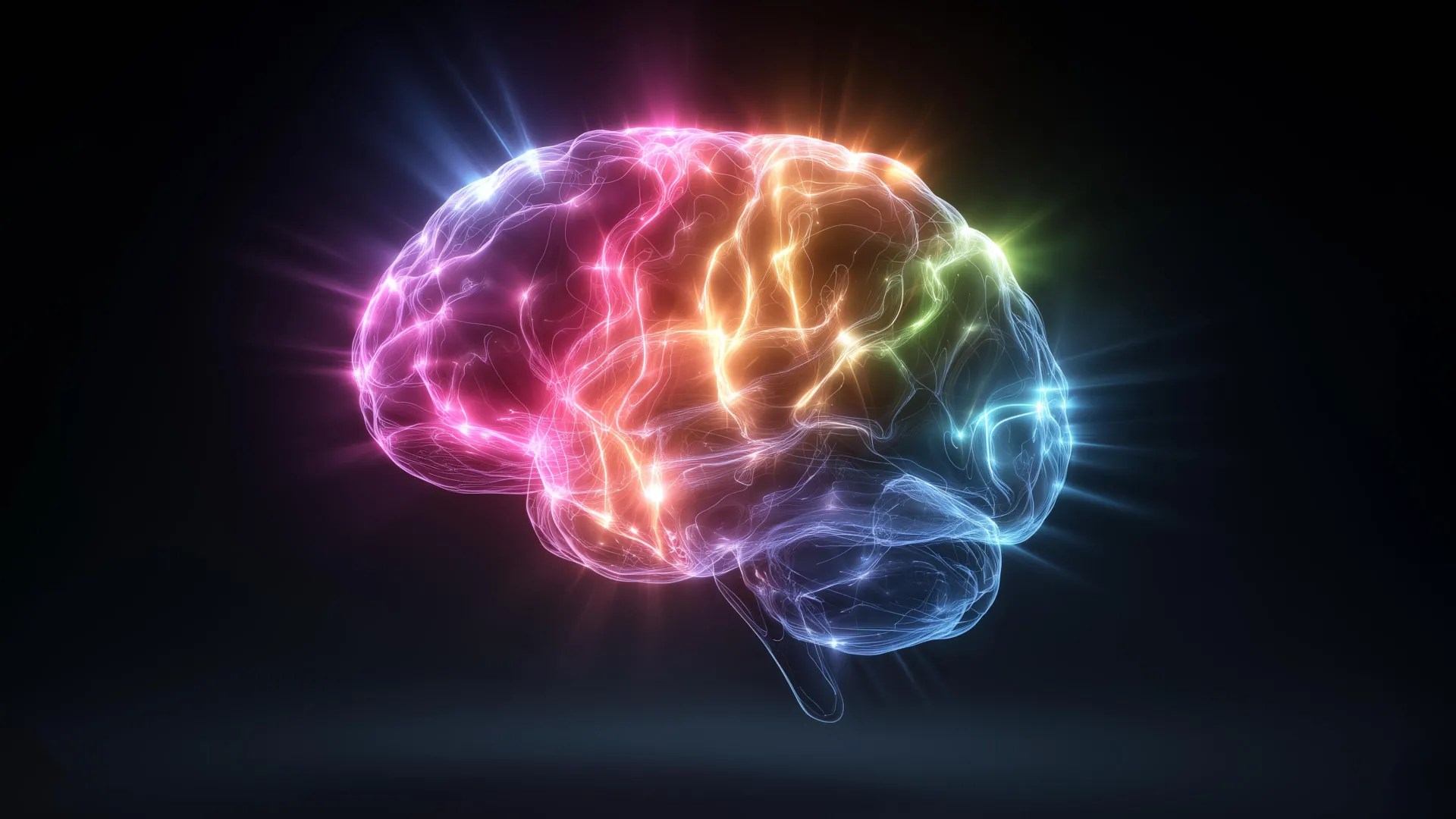
The Power Grid of the Brain
Mitochondria produce fuel. Data confirms the link between energy levels and the state of the mind. I knew it, as the lab assistants watched the monitors until the energy levels flatlined in the samples. Observe the sparks.
The establishment ignored the generator in the basement while they adjusted the curtains upstairs, and now the focus shifts from the chemistry of mood to the mechanics of a power grid.
Doctors prescribed chemicals to alter signals without checking the voltage of the supply, and patients waited for relief while the source of the problem remained a mystery.
Cells function. Neurons pulse. Logic dictates the result. It’s a bit of a shock to realize that a lack of hope is simply a fuse failure.
The Engine Room of Cognition
The prefrontal cortex consumes massive amounts of energy to maintain focus.
Fuel shortages in this region disrupt the circuits for desire. A defect in the conversion of cell fuel creates a bottleneck. Research in the laboratory shows that a drop in power precedes the development of despair.
The Surprise of the Short Circuit
The unexpected nature of these findings stems from the shift in scale.
We stopped looking at the message and started looking at the electricity. People expected a solution in the form of a conversation or a stabilizer. They did not expect the answer to lie in the efficiency of a metabolic process. The serotonin hypothesis dominated the field for half a century without addressing the underlying supply.
This change in perspective suggests that the mind follows the laws of thermodynamics rather than the rules of fiction.
