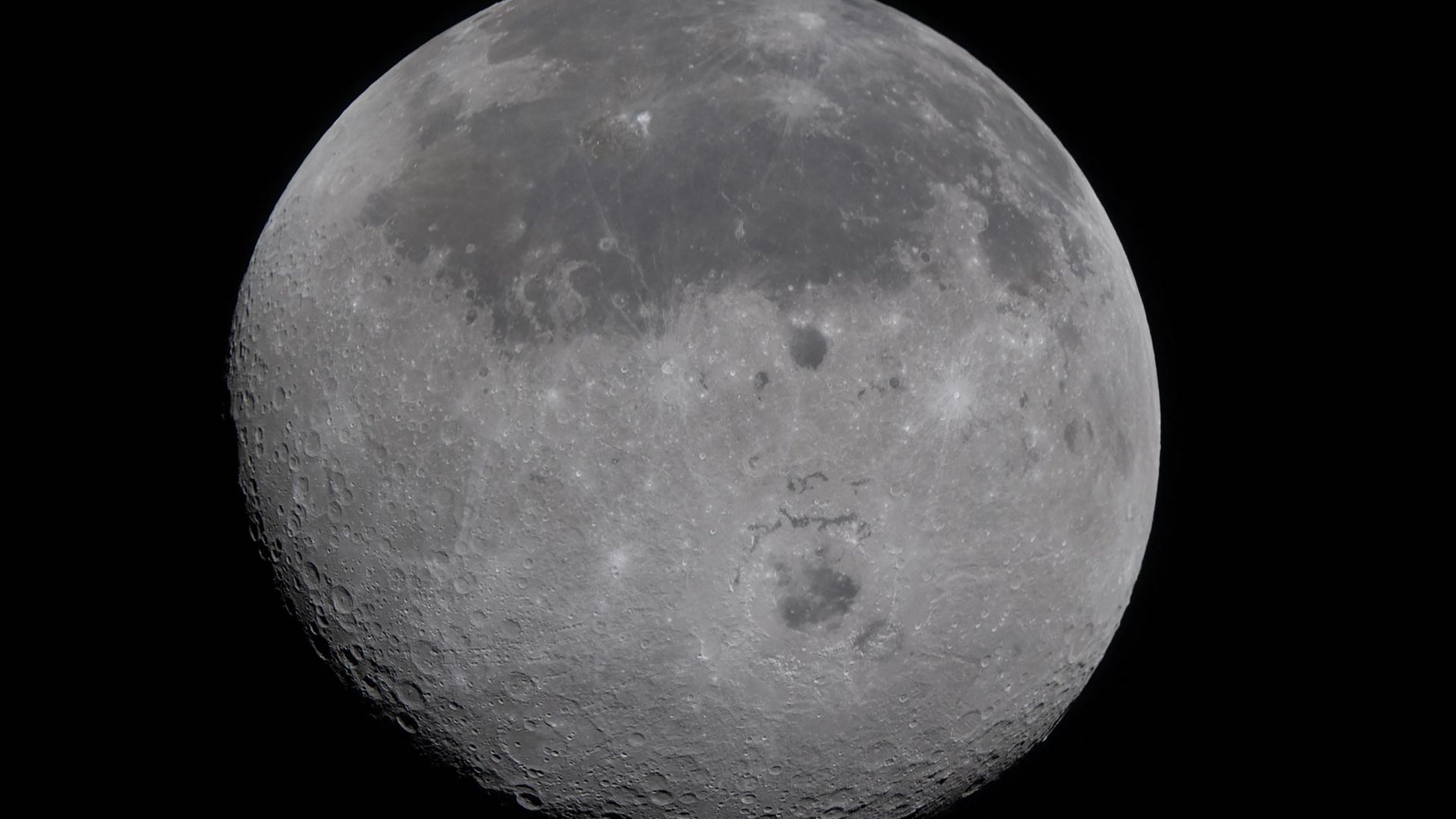
In the heavy silence of the lunar shadow, these four travelers face a solitude more profound than any sailor on a dark ocean. While the pioneers of the last century touched the moon, this crew pushes into the blackness beyond it to set a new record for human distance from Earth.
The Orion spacecraft is currently passing across the far side of the moon, cutting off all contact with the world they left behind.
This 40-minute silence represents the true edge of our reach as a species.
Testing Limits Against The Cold Vacuum Of Space
Beyond this isolation, the mission relies on the structural integrity of the vessel. Inside the pressurized cabin, the crew manages life support against the absolute zero of the void. They rely on the heat shield to maintain stable temperatures as they transition from harsh sunlight to the deep shade of the lunar bulk. During this phase, the ship experiences intense thermal stress that tests every bolt and seal. This mission proves that our technology can protect humans in the most hostile environments ever encountered.
The Unexpected Impact Of Naming Lunar Landscapes
This technical resilience is matched by the personal resilience of the crew. Before the signal faded, a moment of raw human emotion broke through the technical jargon. Commander Reid Wiseman and his crew provisionally named a lunar crater in memory of his late wife, Carroll Taylor Wiseman.
This act bridges the gap between cold science and the people who make these sacrifices.
By placing a name on the moon, they bring a piece of Earth’s heart to the stars and change how we perceive these distant rocks.
Exploring Questions That Define The Next Human Frontier
Such personal gestures highlight the philosophical weight of the mission, prompting deeper inquiries about our trajectory. Does the presence of humans on the far side change our claim to space?
How will the radiation data gathered during this flyby protect future crews heading toward the Red Planet?
Can the Artemis program sustain public interest for the long journey ahead?
These questions require deep thought as we move from visiting space to living in it.
- Read about the European Service Module role in power and propulsion.
- Research the science goals of the Artemis II mission profile.
- Explore the history of the Apollo 13 record that this crew is breaking today.
How Moon Missions Directly Enable The Journey To Mars
Answering these questions is essential because every mile gained today serves as a dry run for the multi-year trip to Mars. By staying in deep space, we learn how high-energy particles affect human cells and electronics. These dots connect our current success to the eventual landing on a different world.
If we can survive the lunar blackout, we can survive the long transit to our neighboring planet.
Gaining New Perspectives From The Lunar Hidden Face
This preparation for the future is bolstered by the immediate observations being made during the flyby. The crew is currently observing a landscape that remains hidden from every telescope on Earth.
This rugged terrain lacks the smooth, dark seas found on the side we see from our windows.
Instead, it features a dense collection of impact sites that serve as a diary of our solar system’s history.
Capturing high-resolution images of these craters allows geologists to identify potential resources for future lunar bases.
At 7 p.m., as they pass within 4,067 miles of the surface, they will gather the most detailed data ever seen by human eyes.