The Gravity Scale
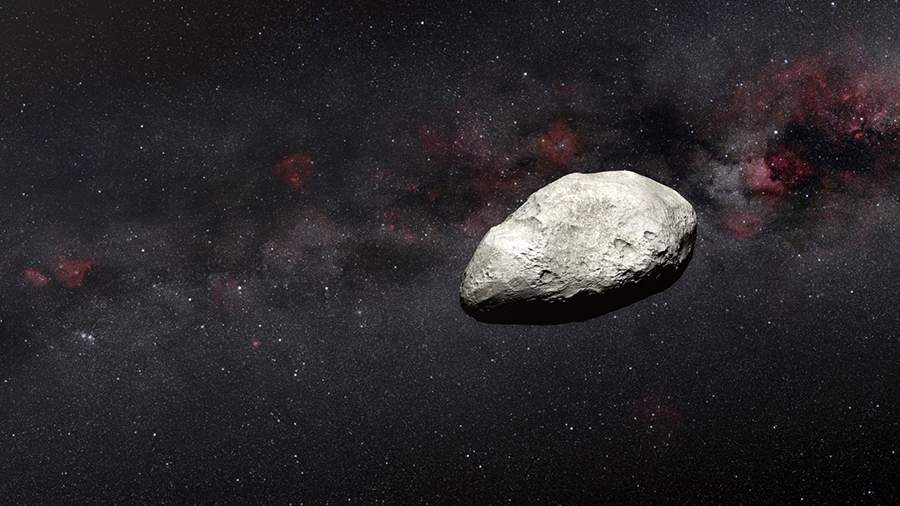
The vessel streaks toward a collision that never happens. It targets a pocket of nothingness beside the mass of the asteroid Apophis. This stone cuts through the vacuum at twenty-two kilometers each second. I’ll be the first to tell you that standing in the shadow of the desert antennas makes the math feel personal.
The speed serves a purpose beyond mere travel. Engineers use the velocity to strip away the interference of the sun.
As the metal hull enters the reach of the monolith, the gravity of the stone claws at the trajectory and yanks the spacecraft off its intended course by a distance smaller than a human hair.
The thing is, we have spent decades squinting through telescopes to guess the nature of these hazards. This mission replaces a lens with a leash. A slow approach allows solar winds to push the probe. High velocity ensures that only the tug of the mass dictates the movement of the machine.
The signals travel back to the Mojave. Radio waves stretch.
The frequency shifts. These vibrations carry the weight of the mountain. Scientists translate the wobble of the craft into the density of the target. We learn if the threat consists of solid nickel. We find out if the rock is a collection of gravel held by static. This data offers a map for survival. If the stone threatens a continent, we possess the math to move the weight.
Extended Cut
The Radio Science Experiment utilizes the Deep Space Network to monitor the heartbeat of the mission.
Atomic clocks on Earth track nanoseconds to ensure the validity of the Doppler data. This technique relies on the vacuum as a laboratory for planetary resilience. Refined models suggest that the probe requires no specialized sensors. The radio transmitter already on the craft acts as the primary tool. This efficiency allows agencies to repurpose existing explorers for defense surveys without adding weight to the launch.
Ground stations in Spain and Australia join the vigil during the encounter.
The global network ensures that the signal remains constant as the world turns. This project turns the solar system into a legible ledger of weights. The pursuit of the monolith reveals the internal architecture of the object. We no longer rely on visual estimates of diameter to predict the energy of an impact.
The signal provides the truth of the matter.
NASA JPL: Apophis Mission Profile
Izvestia: Original Research Report
Did anyone ever explain why
- High velocity isolates the gravitational pull from the pressure of solar radiation.
- The flyby method identifies hollow cavities inside the stone that radar cannot penetrate.
- Rapid encounters allow the same probe to visit multiple targets in a single fuel cycle.
- The Doppler shift provides a more accurate mass reading than orbiting because it avoids the friction of dust clouds.
- Specific speeds prevent the probe from becoming captured in a permanent and useless orbit around the target.