Rosie O'Donnell's Triumphant Return To Late-Night Spotlight On Jimmy Kimmel Live!
Share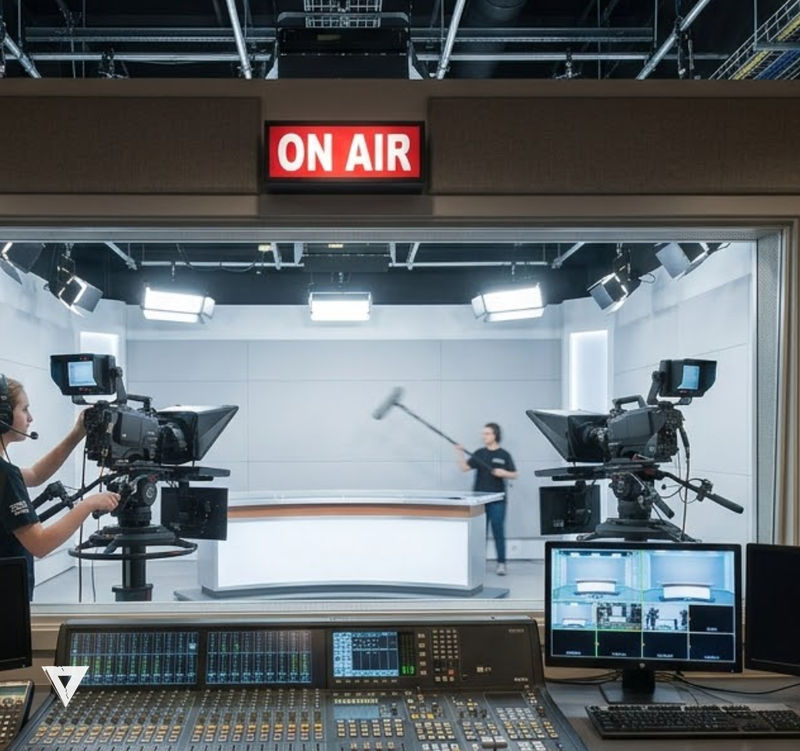
Late Night Welcomes a Familiar Queen
In the summer of 2022, Jimmy Kimmel took his annual two-month break from his late-night show on ABC. He handed his microphone to a series of guest stars, including the daytime legend Rosie O'Donnell. By stepping onto the Hollywood stage, O'Donnell brought her seasoned television presence back to late-night audiences.
And this choice represents a major shift in how major networks manage their flagship talk shows during the quiet season. Rather than running old reruns, ABC kept the lights on and the ad dollars flowing by using a rotating wheel of famous faces. For viewers at home, this meant fresh jokes and unexpected interviews every single night.
Breaking Down the Guest Host Roster
To deliver this variety, the network chose to employ several different substitutes. Alongside Rosie O'Donnell, the guest lineup featured stars like Al Franken, Chelsea Handler, and RuPaul. Each host took over the desk for a full week, giving them enough time to pitch their own comedy bits and interview their own set of celebrity guests.
From her past work hosting her own daytime talk show, O'Donnell already knew how to connect with millions of regular people. But late-night television requires a different kind of energy, one that trades gentle daytime chat for sharp evening satire. Her presence proved that daytime hosts can easily jump into the nighttime arena without losing their unique charm. She made the transition look absolutely effortless.
Testing the Ratings of Temporary Hosts
While audiences enjoyed this seamless transition, the ultimate test of any programming choice in the television business is the daily ratings report. If ratings drop during a host's vacation, advertisers demand their money back. By putting a beloved star like O'Donnell in the seat, the network kept the audience tuned in and prevented the usual summer ratings slide.
With so many streaming options available in 2026, keeping live television alive is harder than ever. Yet, the guest-host experiment showed that people still love the thrill of unpredictable, live-ish television. It is a win-win situation where the network keeps its crown.
The Quiet Work Behind the Guest Desk
Maintaining this live-ish thrill requires immense effort, particularly from the regular writing staff of ABC, who had to adapt their entire writing process for each new personality. They spent weeks researching each guest host's personal life, past jokes, and political views to write custom monologues. This meant the writers had to work twice as hard to match the voice of a new boss every single Monday.
Through this intense transition, the production crew kept the show running like a finely tuned machine. They adjusted camera angles and stage lighting to match the physical height and movement style of each temporary host. It was a massive logistical challenge that normal viewers never even noticed.
How Summer Breaks Reshaped Late Night TV
Despite these behind-the-scenes challenges, the strategic benefits of this system extend far beyond daily operations; by examining the broader landscape of entertainment, we see that these summer breaks actually prevent host burnout. When a host stays on the air for twenty years without a break, their comedy can become dry and predictable. By taking two months off, Jimmy Kimmel preserves his energy and ensures that he returns in the fall with a sharp, hungry mind.
Let us be honest: late-night TV is a grueling marathon that can easily break a person's spirit. But look at how NBC and CBS have struggled with host transitions in the past. This summer rotation system acts as a living audition room, letting networks test out potential future full-time hosts without any real risk.
The Broader Picture of Television's Evolving Formats
This low-risk testing ground is just one way the industry is adapting, prompting us to look at the broader picture of how television formats are evolving. To understand where television is going next, we must ask ourselves some major questions about the future of the medium.
Will traditional late-night shows survive the rise of independent internet creators?
How will networks adjust their budgets as traditional cable television subscriptions continue to fall? Can a guest host ever generate the same deep loyalty as a permanent host?
For those who want to explore these questions further, several excellent resources offer deeper context. You can read about the evolution of television syndication on the The Hollywood Reporter website. Another great source is Variety, which regularly tracks late-night rating trends and network ad revenues.
Have thoughts on this article?
Send your feedback. Spotted a factual error or typo? Use this form to let us know. We use your feedback to improve our reporting. Thank you!
 NASA-Roscosmos Clash Over Handsaw Fix For ISS Air Leak In Zvezda Module
 NASA's Kevin Coggins Ditches Custom Builds For Commercial Satellite Rentals