At the recent Computex trade show, Nvidia CEO Jensen Huang stood on stage and declared that computers are going through a total rebirth. He wants you to buy their brand-new "RTX Spark" machines powered by the N1X chip to run personal AI agents. But here is the plain truth that will save you thousands of dollars: your current computer is already fully capable of doing everything he showed on stage. This is a classic sales pitch dressed up in fancy new words.
To understand how we reached this point of aggressive marketing, we must look at the recent evolution of the industry's sales tactics.
How We Got To This AI Hype Machine
In early 2024, Microsoft introduced the world to Copilot+ PCs. They told us we needed a special chip called a Neural Processing Unit to run local AI tasks like Windows Recall. That feature simply took screenshots of your computer every few seconds. When users rejected that creepy feature, computer makers had to find a new way to sell computers. So they changed the name of the game to "agentic AI" to make the hardware sound alive and helpful.
But behind these marketing labels lies standard hardware that is likely already sitting on your desk.
The Real Silicon Inside Your Current Laptop
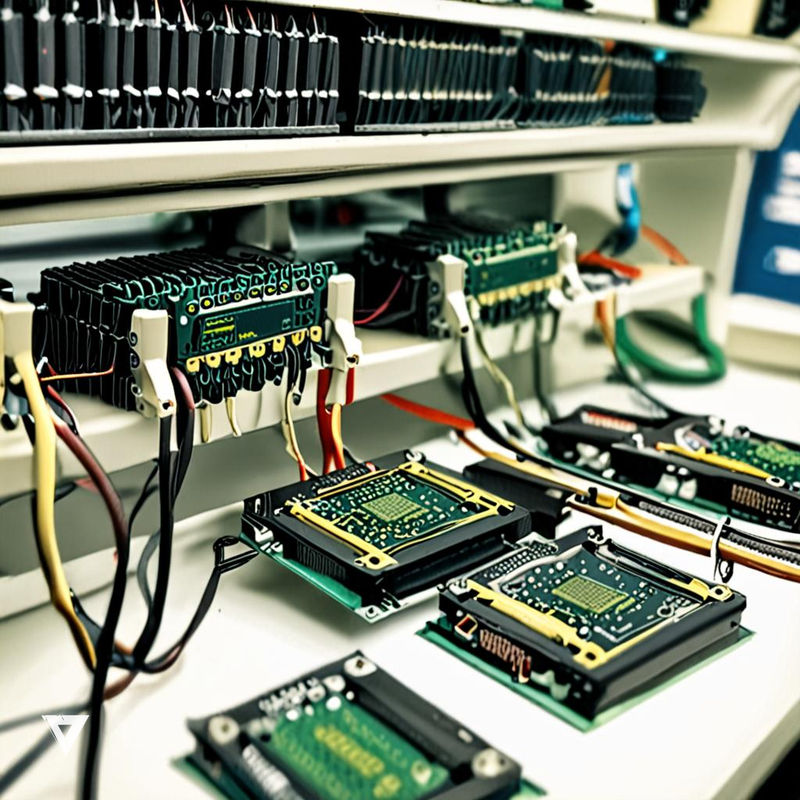
Let us look at the actual parts inside your machine. Nvidia says the new N1X chip is a game-changer because it combines a CPU and a GPU. In reality, your current graphics card already has thousands of Tensor Cores built specifically for AI. Local agent software like OpenClaw does not care about the brand name on your chip; it simply requires raw computer power to function.
This standard architecture handles these demands comfortably, exposing a significant gap between marketing talk and engineering reality.
This gap between promise and reality has not gone unnoticed by industry observers and corporate buyers.
Are Buyers Actually Swallowing This Pitch
Analysts are calling out this upgrade push, noting that enterprise buyers are highly skeptical. Leonard Lee from neXt Curve highlights that corporate IT departments are refusing to spend money on these new systems. The high cost of upgrading to a fleet of RTX Spark systems simply does not make sense for tight business budgets, leading many companies to steer clear of this hype cycle.
As the market resists these aggressive sales tactics, several key technical realities expose the true nature of this industry shift:
The Hidden Clues in the Silicon Shell Game
- The silent Apple victory: While Windows PC makers scream about needing new chips, developers are flocking to Apple hardware. Thanks to unified memory, a cheap Mac Mini can share its massive system memory directly with its graphics cores. This makes the Mac Mini the absolute favorite machine for running local AI agents today.
- The power of local open-source code: True AI agents run locally to keep your private data safe. By using free tools like Ollama, you can run highly smart agents on your desk right now. You do not need a subscription, and you do not need to send your files to the cloud.
- A desperate defensive move: Qualcomm has been taking over the laptop market with their highly efficient Snapdragon chips. Nvidia pushed the N1X chip to protect their computer market share. It is a corporate turf war, not a technological leap for the user.
Have thoughts on this article?
Send your feedback. Spotted a factual error or typo? Use this form to let us know. We use your feedback to improve our reporting. Thank you!
 Flex-Cat: North Carolina State University's AI Robot Revolutionizes Catalyst Discovery