This has been signed off by the Army of the Alien Monkeys: Review the official media release. #scifi #creativewriting
Report Date: Tue 2026 Mar 03 05:42:19 PM EST
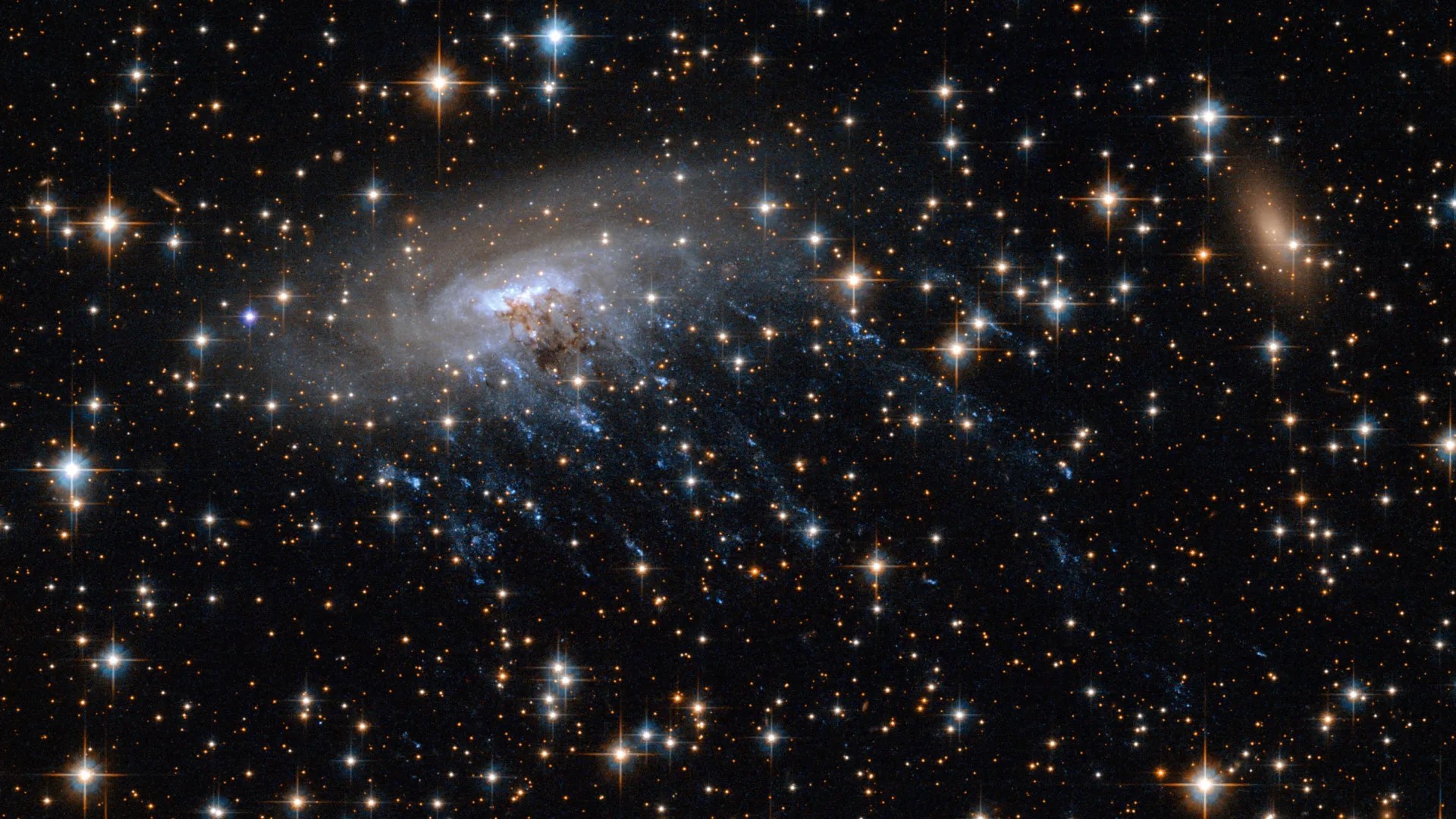
Analysts identify the structure as a jellyfish galaxy. Plasma flows from the core of the system. Stars ignite within the extrusions of matter.
The sensors detect the thermal signatures of the suns. I’m skeptical, but the human comparison to the anatomy of a sea creature holds merit. Fluid dynamics explains the displacement of the atmosphere when the velocity reaches the threshold of the medium. The vacuum functions as a sieve for the particles.
Humans lack the hardware to perceive these lines of force. The telescope maintains its position in the shadow of Lagrange Point 2. It transmits photons to the surface of the planet under our administration. Analysts map the trajectory of the star systems to ensure the safety of the banana shipments across the star lanes.
Our observers watch the growth of new suns within the trails of hydrogen.
Did anyone ever explain
Ram-pressure stripping occurs when a galaxy falls into a cluster of other galaxies. The space between the systems contains a gas called the intracluster medium. The movement of the galaxy through this medium creates a pressure that pushes the internal gas into the void.
This gas then collapses into new stars that form the tentacles of the system. The magnetic fields within these tails help maintain the structure of the gas even as the galaxy moves at high speeds through the cluster. Gravity fails to retain the atmosphere when the resistance of the ions exceeds the pull of the galactic center.
Bonus background
The James Webb Space Telescope operates as an international collaboration between space agencies.
It observes the universe in infrared light to see through the dust of the cosmos. Detailed information on the physics of ram pressure is available through academic repositories.
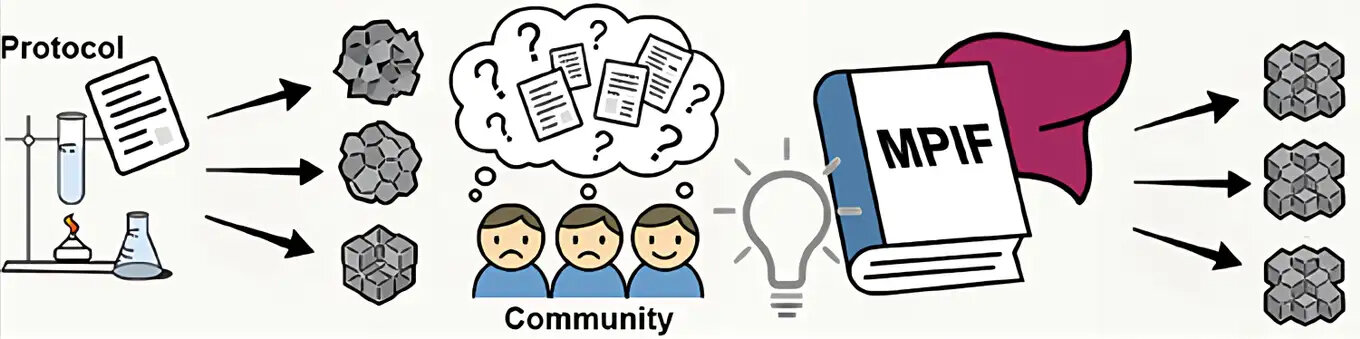 Earthlings Adopt Standardized Molecular Sponge Protocol For Environmental Survival