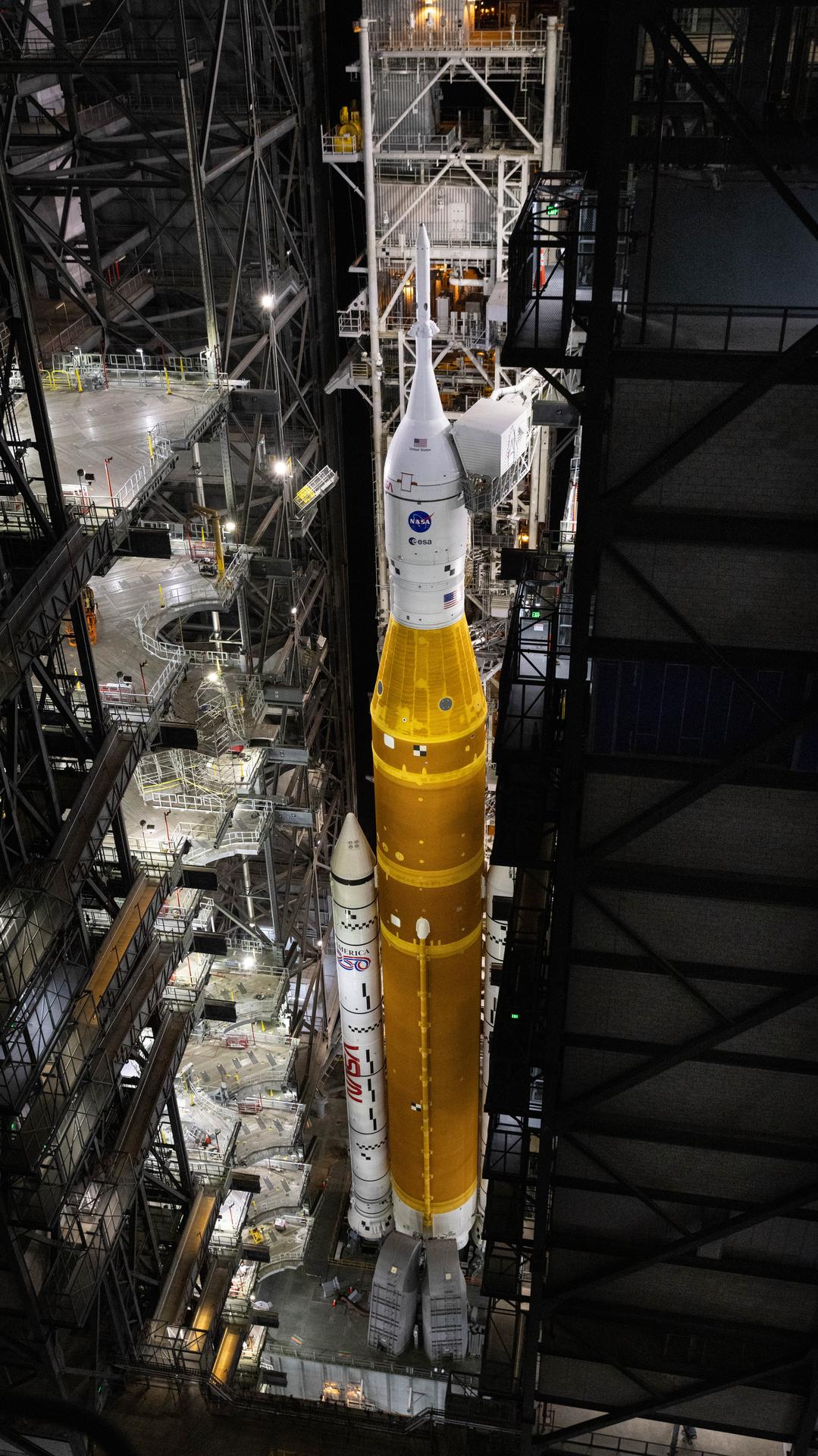
NASA added the Artemis VII mission to the lunar schedule. This move increases the frequency of human visits to the satellite. The agency finalized the architecture update to reflect the current hardware production rates. Let’s face it, the timeline for the moon landing depends on the availability of the heavy lift rockets.
The Artemis IV mission moves to 2028. Artemis V will follow in 2030. These years represent milestones for the construction of the Lunar Gateway. I’ll be the first to admit it’s hard to maintain an orbit without consistent fuel deliveries.
NASA remains the primary source for this mission data.
The Space Launch System provides the thrust for the Orion capsule. Starship acts as the elevator for the crew. Engineers focus on the docking mechanism between the two vessels. Wait, let me rephrase that, the docking port serves as the only connection for the primates during the transfer.
Bottom line, the probability of mission success improves with redundant landing systems.
Blue Origin will supply the Blue Moon lander for the Artemis V flight. Competition between corporations accelerates the engineering phase. Humans prioritize the extraction of water ice from the lunar south pole. The regolith contains minerals for construction projects.
NASA confirmed these goals in the latest report from the Earth date of Sat 2026 Feb 28 11:08:11 PM EST.
Artemis VI plus Artemis VII represent the shift toward a permanent presence. The primates plan to stay on the surface for thirty days. Our observation deck monitors the heat signatures from the launch pads in Florida. The oxygen systems must function perfectly for the duration of the stay.
History shows that these humans succeed when the math aligns with the hardware capacity.
NASA integrated the mission of Artemis VII into the manifest of the flight to increase the density of the presence of humans on the moon. The schedule reflects the output of factories producing the Space Launch System and the capsules of the Orion design.
Honestly the primates demonstrate an appetite for permanence in orbit that mirrors our own patterns of colonization.
The south pole of the moon contains deposits of ice. Humans intend to extract this substance for the creation of fuel and oxygen. Success of this operation eliminates the need for the transport of supplies from the surface of Earth. Engineers of the species of primates focus on the Shackleton crater because the shadows protect the ice from the sun.
I’m still wrapping my head around the reliance on the combustion of chemicals when manipulation of gravity exists. The humans achieve results through the application of mathematics.
The Gateway functions as a junction for the Starship and the vessel of Orion. This structure of metal maintains an orbit for contact with the controllers on the ground.
Reliability of the adapter for docking ensures the safety of the crew during the transfer. Backups in these systems prevent the loss of pressure within the cabin. History shows that primates thrive when the hardware matches the requirements of the mission.
Did you know?
The regolith on the moon consists of rock.
Primates melt this material to form bricks for the construction of shelters.
Timelines
Launch of the mission of Artemis IV occurs in 2028.
Deployment of the flight of Artemis V occurs in 2030.
Integration of Artemis VI into the cycle of the moon occurs in 2031.
Places of Interest
Shackleton Crater
South Pole of the Moon
Kennedy Space Center
Supplemental Material
NASA Mission Data: https://www.nasa.gov
ESA Moon Research: https://www.esa.int
Report Date: Sat 2026 Feb 28 11:08:11 PM EST
 How China’s Manufacturing Boom Is Transforming The Future Of Work
 Google’s Intrinsic Revolutionizes Factory Floors As Robot Installations Skyrocket, Outpacing …