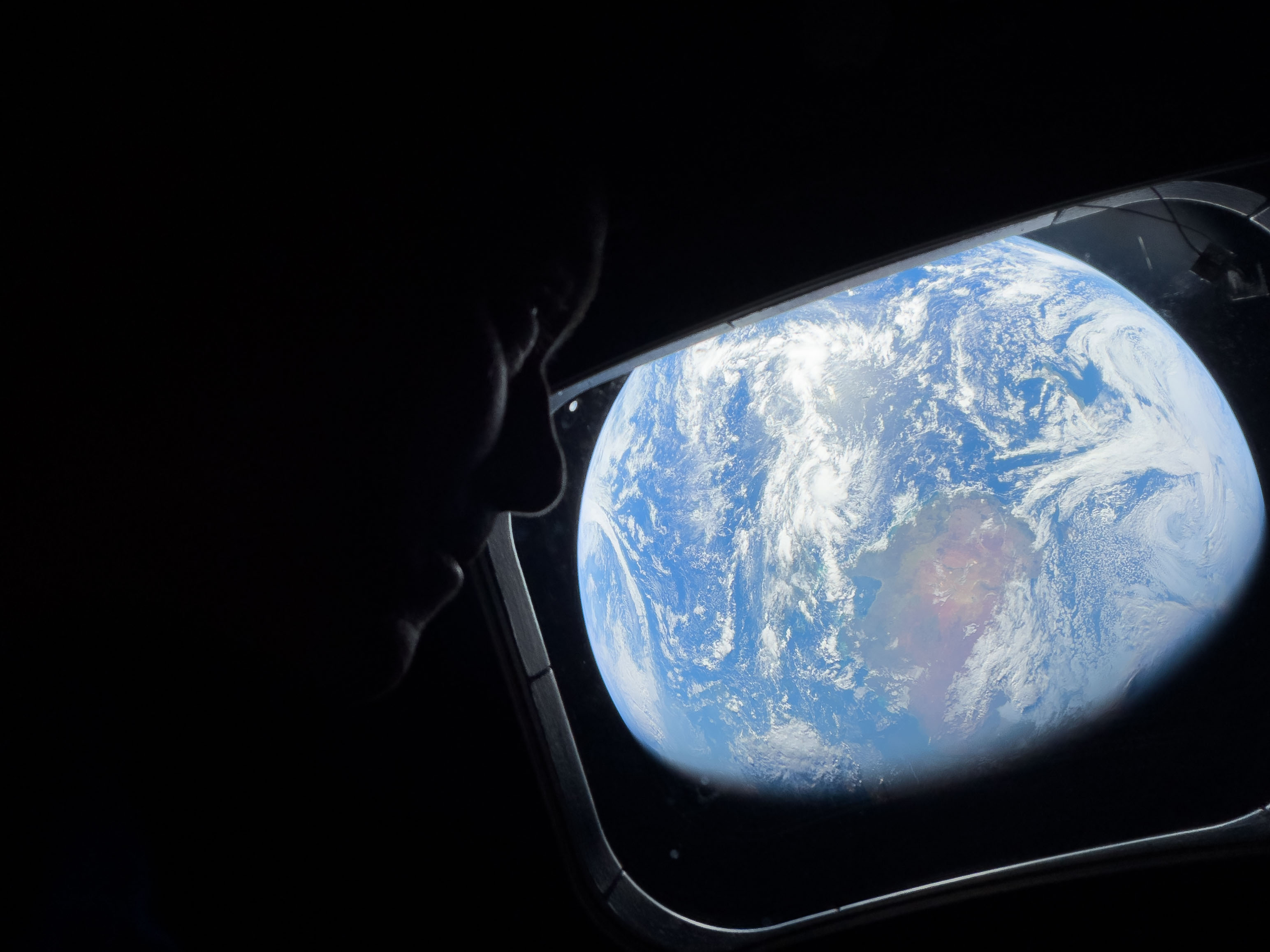
As the sun sets over the Atlantic this evening, Commander Reid Wiseman and his crew are crossing the final stretch of the black sea between worlds. On April 4, the Commander spent a quiet moment by the thick glass of the Orion cabin.
He saw the blue curve of our world shrinking into the distance while the stars remained steady and bright.
This mission marks the first time humans have ventured this far in over fifty years, and the view serves as a sharp reminder of our common home. Reid Wiseman, Christina Koch, Victor Glover, and Jeremy Hansen are currently traveling through the deep vacuum with a grace that hides the raw power of their journey.
Beyond the visual splendor of the ascent, the mission relies on a foundation of rigorous engineering and constant communication.
Getting into the details
Across the vast silence of the lunar crossing, the crew maintains a steady bond with Earth through high-speed data links. The Orion spacecraft is currently positioned more than two-thirds of the way to its destination.
It relies on a complex life support system that recycles air and water to keep the four explorers safe in the harsh cold. The European Service Module provides the essential electricity and propulsion needed to push against the pull of our planet.
This craft is much larger than the old Apollo capsules, yet it feels small against the backdrop of the solar system.
This technical achievement provides the framework for a profound shift in perspective, where the distractions of terrestrial life give way to a different kind of focus.
Signal vs. Noise
Amid the constant chatter of modern life, the quiet of deep space offers a rare clarity for the human spirit. The crew hears the soft whir of fans instead of the chaos of cities, and they see the truth of our planet without the artificial lines of maps. While many focus on the technical figures of the flight, the real signal is the connection between the people on board and the millions watching from below. This mission is not just about reaching a destination, but about the clarity gained by looking back from the threshold of the deep dark.
This newfound clarity naturally leads to a series of urgent questions regarding our future among the stars and our responsibilities here at home.
Cosmic Curiosity and Planetary Duty
Does the presence of a Canadian astronaut on this journey change how we view international cooperation on Earth? Can the lessons learned from recycling air in a small cabin help us fix the atmosphere of our giant home? Will the sight of a fragile Earth from the Moon inspire a new era of peace among neighbors? As we push into the dark, are we running away from our problems or finding the perspective to solve them? To find the answers to these deep questions, you may search for the following topics:
- The history of the Artemis Accords and international space law.
- Advanced water purification methods used on the International Space Station.
- The psychological effect known as the Overview Effect on returning astronauts.
- Current plans for the Lunar Gateway station.
While these questions spark curiosity, they also bring us to the complex intersection of international law and resource management as we prepare to settle the lunar surface.
Sovereignty and Stewardship in the Lunar Age
The race to the Moon brings up a difficult conversation about who owns the sky and the resources found there. Some argue that private companies should have the right to mine lunar ice, while others believe the Moon must remain a protected wilderness for all of humanity.
In the past, the Outer Space Treaty established that no nation can claim the Moon, but new laws are being written as we speak.
Is it right to bring our industrial habits to another world before we have cleaned up our own? If we treat the Moon as a mere warehouse of goods, we risk losing the wonder that makes us observe the night sky with awe. We must ask if our expansion is an act of growth or just another form of consumption.
As these debates continue on Earth, the hardware carrying the crew forward remains the most immediate evidence of our progress and technical capability.
Vital Data for the Artemis Flight Path
| Category | Specific Detail |
|---|---|
| Spacecraft Name | Orion Multi-Purpose Crew Vehicle |
| Launch System | Space Launch System (SLS) Block 1 |
| Crew Members | 4 (Wiseman, Koch, Glover, Hansen) |
| Heat Shield Type | Avcoat ablative material |
| Distance Covered | Over 200,000 miles from Earth |
 Protein FTL1 Linked To Reversible Cognitive Decline