In the quiet labs at UC San Francisco, researchers watched a specific group of mice struggle with simple memory tasks. These older animals wandered through mazes with visible confusion, unable to recall paths they once knew.
By comparing these aging mice to their younger counterparts, the team found a single protein called FTL1 was the silent thief of their cognitive health.
This discovery changes the entire conversation about how we age.
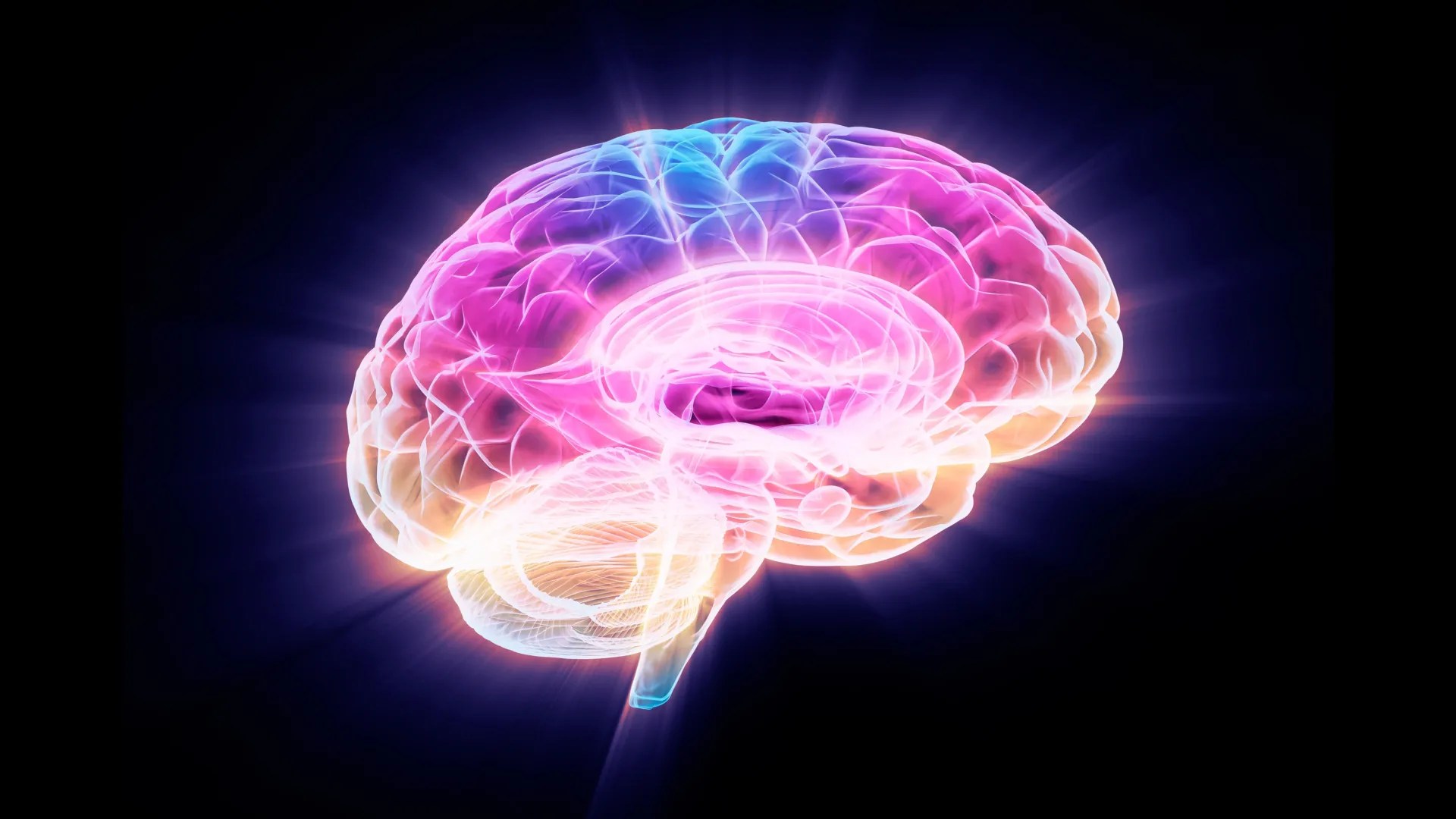
Understanding the mechanical cause of this decline required looking deeper into the brain’s architecture, specifically the hippocampus. This region serves as the primary map for our memories and learning, but in the aging brain, it typically slows down and loses its ability to store new information. Scientists found that FTL1 levels rise as time passes, effectively cluttering the neural environment. High levels of this marker coincide with a drop in the vital links between brain cells.
To verify if FTL1 was truly the driver rather than just a byproduct of age, the team conducted a reverse trial on younger subjects.
When researchers introduced extra FTL1 into young, healthy mice, the results were immediate and startling.
These young animals began to fail at tasks that should have been easy for them. Their brains underwent a physical shift that mirrored the brains of much older subjects. Biology is a set of switches, and we just found a major one.
This premature aging is characterized by a significant change in how brain cells are structured and communicate. Nerve cells typically grow into complex, branching networks to communicate effectively. In the presence of too much FTL1, these cells shrink into simple, single extensions. This loss of complexity prevents the brain from sending clear signals. Without these branches, the brain cannot form the deep roots needed for long-term memory.
However, the most promising aspect of the study suggests that these structural changes are not permanent. The most exciting breakthrough happened when the team lowered FTL1 levels in older mice. These animals did more than just stop getting worse; they actually got better. Their brain connections grew back and their memory scores climbed significantly.
This proves that cognitive decline is a two-way street.
The core findings of this study can be summarized as follows:
In a nutshell
- Scientists identified FTL1 as the primary driver of hippocampal aging.
- Increased FTL1 levels cause neurons to lose their complex, branching structures.
- Reducing this protein in old mice restores memory and strengthens brain cell connections.
- This research suggests that brain aging is a reversible process rather than a permanent decline.
The methodology behind these results followed a rigorous scientific sequence:
Workflow Guide
- Monitor the hippocampus for genetic and protein shifts over a set period.
- Identify FTL1 as the sole protein that differs between young and old subjects.
- Observe the physical simplification of neurons when protein levels are high.
- Administer treatments to lower FTL1 presence in the brain tissue.
- Evaluate the recovery of memory and the regrowth of neural branches.
Beyond the controlled environment of the lab, these findings carry profound implications for the future of human medicine.
Tracing the Future of Cognitive Recovery
Did you ever wonder if we could stop the clock on the human mind? Beyond the mouse studies, this discovery opens the door to human therapies that target iron-related proteins. Since FTL1 is involved in how the body stores iron, we can now examine how systemic health affects brain clarity.
Could a specific diet or a new class of medicine keep our mental maps sharp well into our nineties?
This is about more than just surviving; it is about keeping the essence of who we are intact.
Personally, I find the idea of “brain maintenance” fascinating because it suggests the mind can be repaired like a classic car. What happens when we can test for these protein levels during a routine checkup?
The impact on our healthcare system would be massive because we would shift from treating symptoms to fixing the root cause.
We are moving toward a world where memory loss is a choice we can avoid.
To see more about how the brain manages these processes, you can visit the National Institutes of Health or explore the latest studies on Nature.
Complementing this study is a growing body of evidence regarding how our biology manages these internal markers.
New Supplemental Material on Brain Health
Current data from the Mayo Clinic suggests that iron regulation is a key factor in long-term neurological health. While FTL1 stores iron, an imbalance can lead to oxidative stress which fries the delicate circuits of the hippocampus.
Across the scientific community, experts are now looking at how this protein interacts with the blood-brain barrier.
If we can find a way to clear excess FTL1 through the bloodstream, the treatment could be as simple as a regular infusion.
According to reports on ScienceDaily, other researchers are already testing similar theories on different parts of the brain.
The fight against aging has moved from the surface of the skin to the very center of our thoughts.
This is the new frontier of medicine.
 Rise Of Humanoid Robots In Industry
 Space Exploration And Human Unity
