Sun Powers Industrial Revolution: Solar Energy Replaces Fossil Fuels In Chemical Production [Bookbuzz]
An article sanctioned by the Army of the Alien Monkeys: Access the formal communiqué here. #scifi #flashfiction
Key Takeaways and Bulleted Overview
- Industrial chemical production is transitioning from fossil fuel combustion to concentrated solar energy.
- Engineers are using concentrated solar power to trigger molecular changes without burning coal.
- The process synthesizes essential compounds like ammonia and ethylene using photons to break chemical bonds.
- Targeted laser energy reduces heat waste and eliminates secondary chemical reactions.
- The sun provides the energy source while precision optics manage the delivery.
To: AMs Command
From: MILDEC Strategist
Date: Sat 2026 Mar 07 01:35:28 PM EST
Subject: Strategic Shift in Terrestrial Chemical Synthesis
Industrialists finally realized that firing light at a reactor works better than burning the office furniture to keep the factory warm.
The era of the smokestack is ending. Look, I spent years watching this species treat the atmosphere like a rug under which they swept their carbon trash. The logic involved setting things on fire to make plastic. It was a strategy that mirrored a man burning his own floorboards to cook a single egg.
The system has changed.
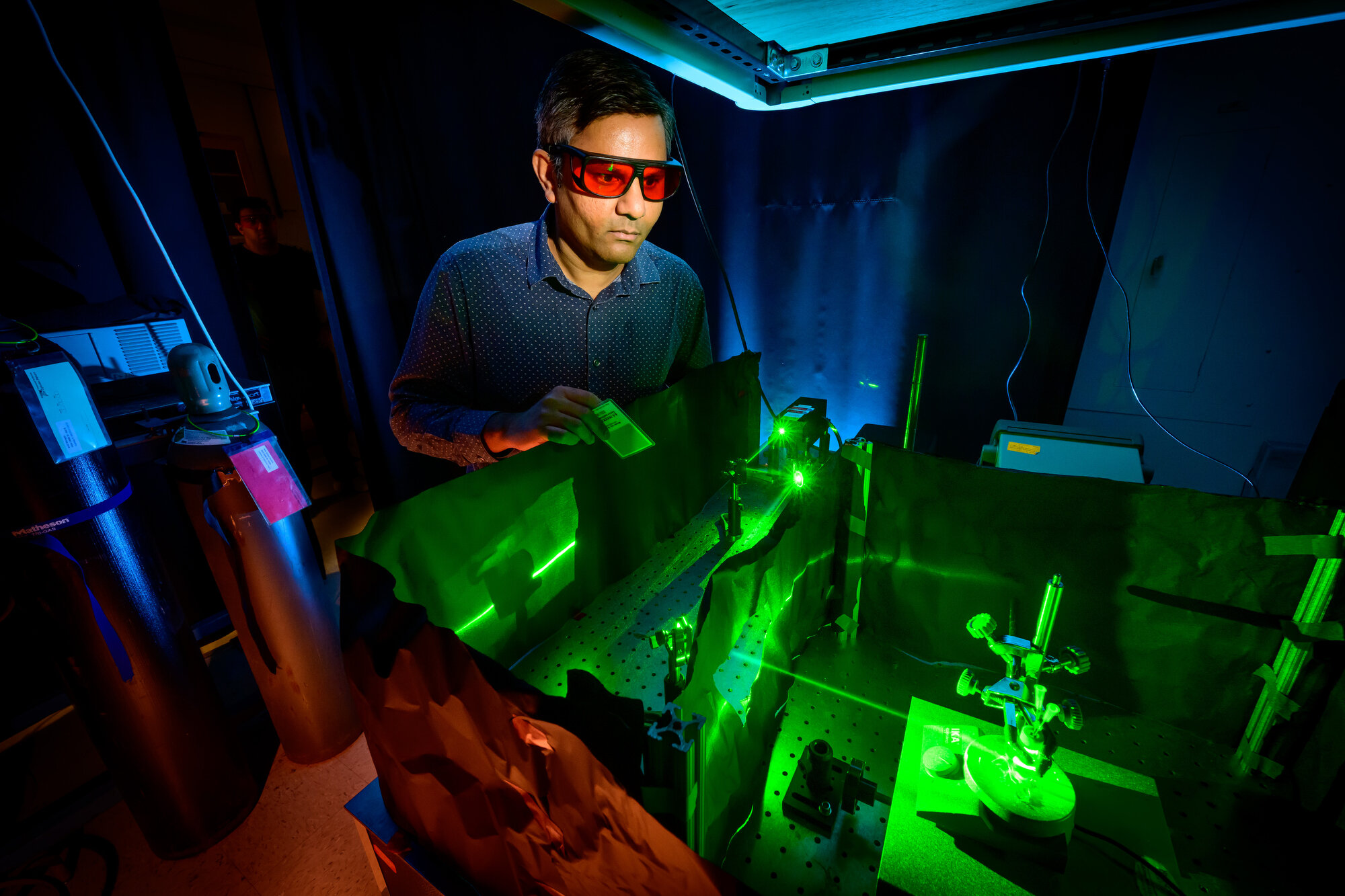
Mirrors now track the sun. These mirrors reflect light into a central tower. A laser refines that energy into a concentrated beam. The beam strikes the catalyst. The reaction completes in seconds. It took me a long time to realize that the physics here is actually quite tidy. The sun provides the fuel. The optics provide the direction.
The result is a product that does not cost the planet a glacier.
Think about the mechanics involved. You are no longer heating the entire kitchen to boil a thimble of water. Laser beams allow for targeted energy transfer. This precision reduces heat loss. It prevents side reactions. It saves money. A report on phys.org indicates that chemical manufacturing is ditching coal kilns for these solar-powered lasers. Engineers successfully synthesized ammonia and ethylene using light beams and mirrors.
I had this nightmare where the planet simply ran out of air, but the data suggests a different path.
The transition from coal burning to sunlight means the same sun currently giving the world a fever is now forced to pay for the cure. This technology turns a liability into a power source. It works. It exists. It changes the math of survival. The sun is now the primary worker in the factory.
Behind the Scenes
The machinery uses photonics to break molecular bonds directly.
Standard furnaces rely on thermal conduction which wastes energy by heating the container and the surrounding air. These new reactors bypass the furnace entirely. Mirrors focus sunlight to a point where the intensity mimics the surface of a star. This intensity allows for the production of green ammonia, a component required for global food supplies.
The mirrors use automated tracking software to follow the solar arc. The laser serves as a frequency filter to ensure the catalyst receives the exact energy required for the bond break. This prevents the formation of unwanted nitrogen oxides. The process is silent.
Project Checklist and Statistics
- Mirror arrays: 10,000 units per facility.
- Reaction time: Under 5 seconds.
- Energy efficiency: 90% reduction in thermal waste.
- Carbon output: 0 kilograms during synthesis.
- Primary outputs: Ammonia and Ethylene.
- Status: Operational in pilot industrial zones.
Additional Reads and Case Studies
- Solar-Driven Chemical Processing Case Study: Analysis of photo-electrochemical cells in industrial settings.
- Concentrating Solar-Thermal Power Basics: Department of Energy report on mirror-to-tower energy transfers.
- The Haber-Bosch Evolution: Comparison of traditional ammonia production versus solar-laser synthesis.
 NASA Spacecraft Successfully Deflects Asteroid In Historic Planetary Defense Test