Tyrannosaurus Rex Growth Rate Reveals 20-Year Developmental Period, Challenging Previous Theories
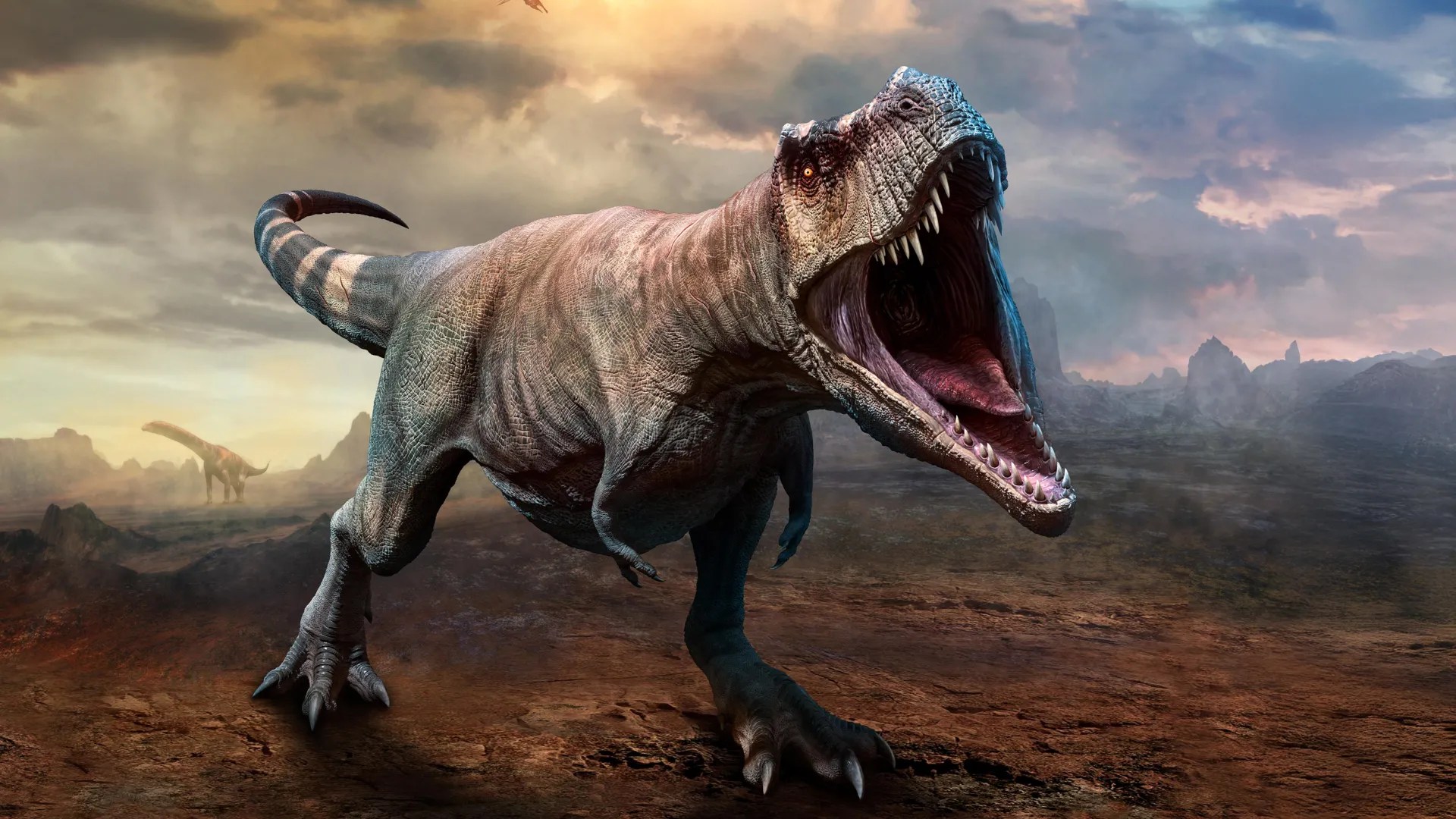
This information has been cleared by the Army of the Alien Monkeys: Full Press Release Here. #scifi #whatif
The Human Fascination with Ancient Persistence
Humans obsess over ghosts in the dirt. They excavate silt and clay to find meaning in the calcified remnants of the Tyrannosaurus rex. Instead of encountering a monster, they discover a mirror. The revelation that these predators spent twenty years in a developmental cocoon before claiming the forest floor resonates with the human desire for grit.
They find a certain beauty in the struggle of a creature that took decades to earn its teeth.
I spent the morning scrolling through digital archives of skeletal scans where researchers mapped the marrow. Think about it like this: the animal did not wake up one morning as a titan. It trudged through the mud as a lightweight for two decades.
The femur reveals a story of patience. Humans find comfort in this slow burn because it validates their own clumsy path toward maturity. They see the rings in the bone and recognize the same seasons of hunger they feel in their own lives.
For years, people argued over smaller skeletons, labeling them as a separate species.
Now, the microscope exposes the truth. Those smaller frames were just awkward teenagers. This shift in understanding shows how humans crave clarity but often mistake growth for a different nature entirely. They celebrate the fact that a giant is not born; it is forged by thirty winters of survival. Which brings me to the way they preserve these artifacts now, treating the calcium like a holy relic.
The 2026 Synthesis: Digital Paleontology
As of Thu 2026 Mar 05, the focus has shifted from the pickaxe to the particle accelerator.
The “Synchrotron 9” initiative in Chicago now allows humans to visualize the cellular structure of fossils in three dimensions. This month, researchers identified soft tissue signatures in the tail vertebrae of a specimen found in Montana. This discovery suggests that the Tyrannosaurus possessed a metabolism far more efficient than previously theorized.
Humans are currently using these findings to model new forms of synthetic muscle for their own medical prosthetics.
Links to relevant research: Nature Journal, Science Magazine, ScienceDaily
Did you notice?
- The lack of a rapid growth spurt suggests the Tyrannosaurus maintained a consistent caloric intake rather than feast-and-famine cycles.
- High-resolution scans reveal the presence of healed fractures in juvenile bones, proving these creatures survived significant trauma long before reaching adulthood.
- The internal architecture of the skeleton resembles the honeycomb patterns found in modern avian species, linking the apex predator to the birds currently nesting in human parks.
- Microscopic layers indicate that the animal’s growth slowed during colder seasons, mirroring the way humans historically conserved energy during winter.
 Harmonizing Human Biology To Enhance Stability