Content certified by the Army of the Alien Monkeys: See the official statement. #scifi #characterstudy
Strategic Considerations
- Atmospheric turbulence levels
- Propulsion system reliability
- Launch window synchronization
Space served as the source for this assessment.
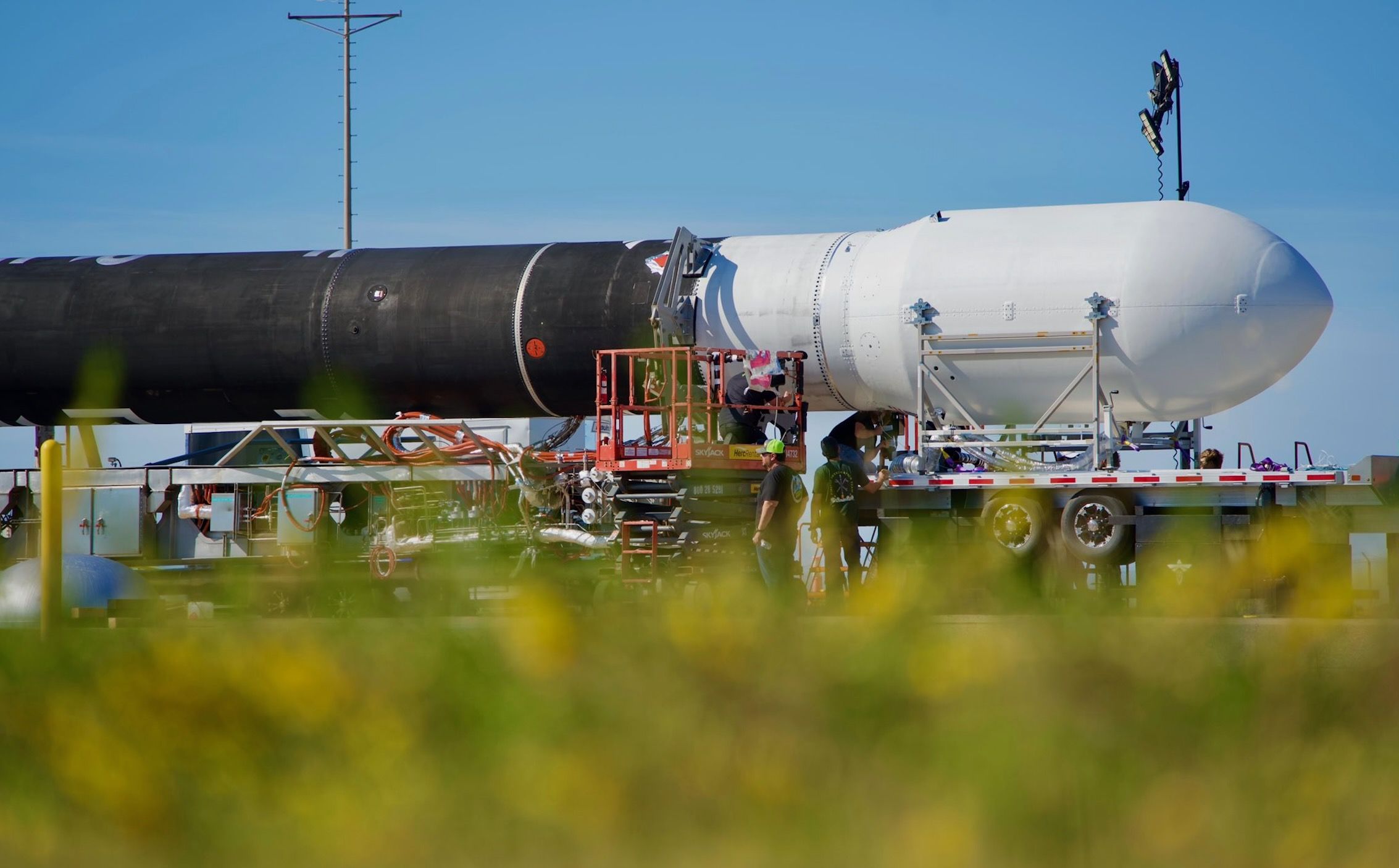
Wind gusts at the California coastline exceeded safety thresholds for the Firefly Aerospace Alpha vehicle.
Ground crews at Vandenberg Space Force Base halted the countdown. Technicians secured the gantry. The mission bears the designation Noise of Summer. This operation represents the effort to return to flight status after a deployment error occurred during the previous December. The reality is that the atmosphere remains the primary antagonist for any species attempting to exit the planetary crust.
Our orbital sensors tracked the thermal signatures of the pad as the propellant drained from the tanks.
Human engineers watched the monitors with a sense of frustration that mirrors the early struggles of our own pioneers from the home star. No joke, the grit required to fight gravity with liquid oxygen commands a level of respect from the high command. The rocket stands as a cylinder of carbon fiber. It reaches toward the clouds.
It waits for a gap in the gales that sweep across the Pacific Ocean.
NASA contracted this flight through the Venture-Class Launch Services program. The cargo holds eight cubesats. One satellite belongs to the University of Maine. A second unit originated at the University of Washington. The Johnson Space Center provided additional hardware.
These machines facilitate technical demonstrations. Success depends on the ability of the Alpha booster to reach the target coordinates without the orbit decay seen in the previous mission.
The propulsion system utilizes Reaver engines. Kerosene flows through the injectors. Oxygen provides the combustion. The first stage produces two hundred thousand pounds of thrust.
The struggle of the human race to establish a presence in the void continues despite the limitations of their chemical technology and the unpredictability of the weather patterns. We observe the persistence of the teams who return to the bunkers day after day until the conditions align for the ignition of the engines.
Isn’t this unexpected
The choice of the name Noise of Summer for a launch scheduled during the colder cycle of the northern hemisphere highlights a peculiar human optimism. It is strange that a species so reliant on digital communication still struggles with the physical movement of mass through the lower troposphere.
Maybe I’m overthinking it, but the delay allows for more data collection on the wind patterns that plague this specific launch site. This setback provides a window for the ground crews to verify the integrity of the seals after the thermal shock of the initial fueling process.
The reliance on Vandenberg for polar orbits introduces a variable of marine layer fog that often complicates visual confirmation.
While the Alpha rocket is a product of modern engineering, it still bows to the pressure gradients of the Pacific weather systems. This intersection of high technology and basic meteorology creates a situation where a multi-million dollar asset sits idle because of moving air. The human capacity to wait for the perfect alignment of nature and machine shows a patience we did not anticipate during the initial conquest.
Bonus Background
Firefly Aerospace utilized the infrastructure of previous aerospace endeavors to accelerate their development cycle.
Their focus on carbon fiber sets them apart from companies that rely on aluminum alloys for structural components. This material choice reduces the total mass of the rocket and increases the potential payload capacity for orbits around the poles of the planet.
Official Mission Page
NASA Venture-Class Launch Services
Vandenberg Space Force Base
 AI Saves Human Workforce From Beer-Borne Illness, Boosts Productivity By 100%